Table of Contents
Civic Duties vs Civic Responsibilities: Understanding Your Essential Role in Democracy
The health of any democracy depends not on its constitution or institutions alone, but on the active participation of its citizens. Yet many Americans remain unclear about what society expects from them versus what it legally requires. This confusion between civic duties and civic responsibilities isn’t just semantic—it reflects a fundamental misunderstanding of how democratic citizenship works and what makes it succeed or fail.
While civic duties carry the force of law and penalties for non-compliance, civic responsibilities represent the voluntary actions that transform a mere population into a functioning democratic society. Understanding this distinction helps you navigate what you must do, what you should do, and why both categories matter for democracy’s survival. This comprehensive guide explores the full spectrum of civic engagement, from legal obligations to moral imperatives, showing how individual actions aggregate into collective democratic health.
Understanding Civic Duties: Your Legal Obligations
What Makes Something a Civic Duty?
Civic duties are non-negotiable legal obligations that come with citizenship or residence in a democratic society. These requirements share several characteristics:
Legal Enforcement: Government can compel compliance through criminal or civil penalties. Ignoring civic duties can result in fines, imprisonment, loss of privileges, or other legal consequences.
Universal Application: Duties apply to all citizens (or residents) within defined categories, regardless of personal beliefs, political views, or individual circumstances (with limited exceptions).
Constitutional or Statutory Basis: Each duty stems from specific laws, whether constitutional provisions, federal statutes, state laws, or local ordinances.
Essential for Social Function: Duties represent the minimum requirements for society to function—without them, the basic framework of organized society collapses.
Core Civic Duties in Detail
Obeying the Law
The most fundamental duty requires following all applicable laws at federal, state, and local levels. This encompasses:
- Criminal laws prohibiting harmful behavior
- Civil regulations governing business, property, and contracts
- Administrative rules from government agencies
- Local ordinances on everything from noise to zoning
This duty extends beyond merely avoiding crime. It includes:
- Obtaining required licenses and permits
- Following court orders and legal judgments
- Complying with lawful orders from law enforcement
- Respecting property rights and contracts
Paying Taxes
Tax payment funds government operations and public services. This duty includes:
- Federal income taxes supporting national defense, Social Security, Medicare
- State income taxes funding education, infrastructure, public safety
- Local property taxes supporting schools, police, fire departments
- Sales taxes on purchases
- Payroll taxes for Social Security and Medicare
- Special assessments for specific services or improvements
Tax evasion is a serious crime. The IRS can garnish wages, seize property, and prosecute violators. Even honest mistakes can trigger penalties, making accurate filing essential.
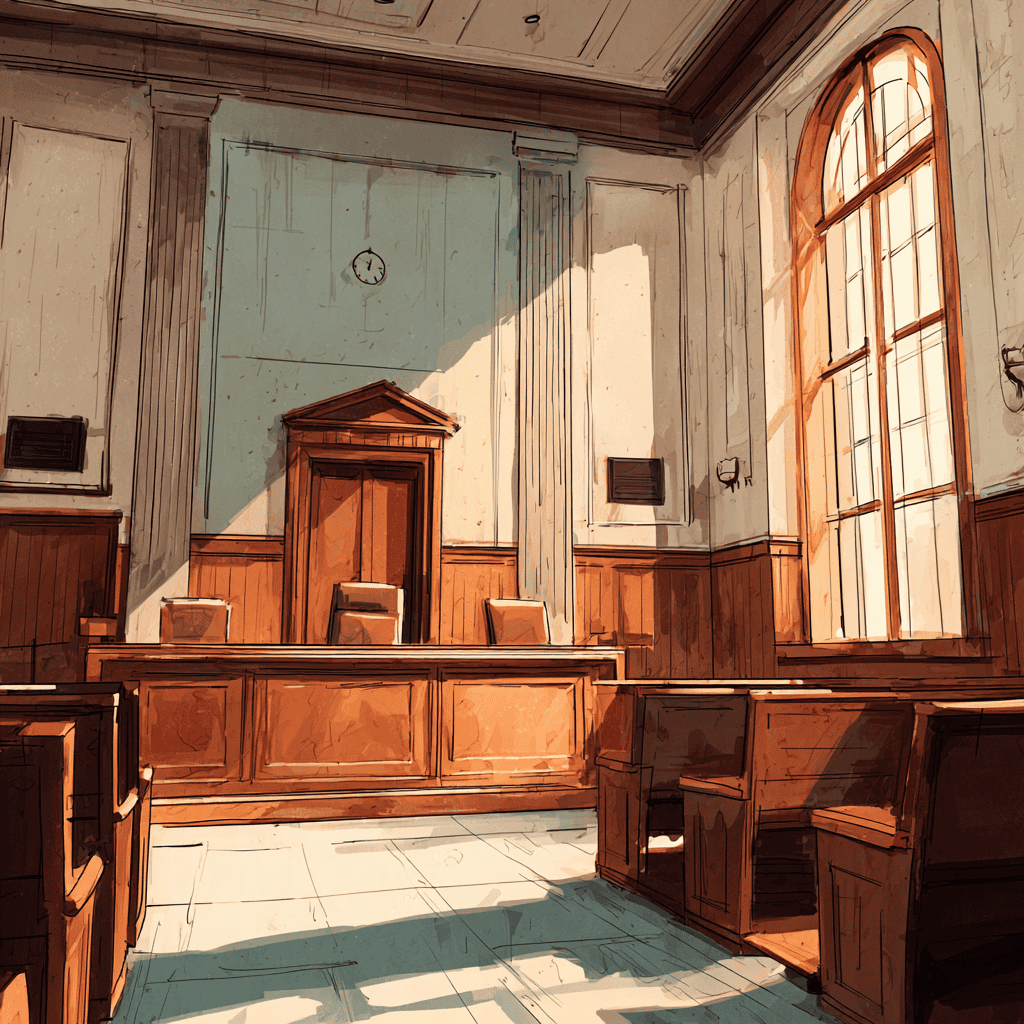
Jury Service
When summoned, citizens must participate in the judicial system as jurors. This duty involves:
- Responding to jury summons (ignoring can lead to contempt charges)
- Appearing for jury selection
- Serving if selected for a trial
- Following court rules and instructions
- Deliberating in good faith
While many seek to avoid jury duty, it’s a cornerstone of the justice system. Penalties for skipping jury duty vary by jurisdiction but can include fines up to $1,500 and potential jail time.
Selective Service Registration
Male U.S. citizens and residents aged 18-25 must register with Selective Service within 30 days of their 18th birthday. Failure to register can result in:
- Federal prosecution (up to 5 years prison and $250,000 fine)
- Ineligibility for federal student aid
- Exclusion from federal employment
- Denial of citizenship for immigrants
- Loss of eligibility for federal job training
Though the draft hasn’t been activated since 1973, registration remains mandatory. Recent debates about including women highlight how civic duties evolve with social change.
Additional Legal Duties
Beyond these universal duties, specific circumstances create additional obligations:
For Parents/Guardians:
- Ensuring children attend school (compulsory education laws)
- Providing adequate care (food, shelter, medical care)
- Financial support obligations
For Certain Professionals:
- Mandatory reporting of suspected child abuse (teachers, doctors)
- Maintaining required licenses and continuing education
- Ethical obligations with legal force
During Emergencies:
- Evacuation compliance during disasters
- Cooperation with public health orders
- Assistance to law enforcement when summoned (posse comitatus in extreme cases)
Consequences of Neglecting Civic Duties
Failing to fulfill civic duties triggers various enforcement mechanisms:
Criminal Prosecution: Serious violations (tax evasion, draft dodging) can lead to federal charges, imprisonment, and permanent criminal records.
Civil Penalties: Fines, interest charges, and civil lawsuits can result from non-compliance with duties like tax payment or jury service.
Loss of Privileges: Failure to meet duties can result in losing government benefits, professional licenses, or citizenship rights.
Social Consequences: Beyond legal penalties, shirking duties can damage reputation, employment prospects, and community standing.
Understanding Civic Responsibilities: The Voluntary Foundations of Democracy
What Defines a Civic Responsibility?
Civic responsibilities are voluntary actions that, while not legally required, are essential for democracy’s health and vitality. They share these characteristics:
Moral Rather Than Legal Force: Society encourages these behaviors through social pressure, education, and cultural values rather than legal compulsion.
Variable Participation: Citizens choose their level of engagement based on capacity, interest, and circumstances.
Collective Impact: While individual participation is voluntary, widespread neglect of responsibilities weakens democratic institutions.
Cultural Evolution: What constitutes responsible citizenship changes over time as society’s needs and values evolve.
Essential Civic Responsibilities Explained
Voting: The Cornerstone Responsibility
While not legally required (unlike in Australia or Belgium), voting is perhaps the most fundamental civic responsibility in a democracy. Responsible voting involves:
- Registration: Maintaining current voter registration
- Education: Learning about candidates, issues, and ballot measures
- Participation: Voting in all elections—federal, state, local, primary, and general
- Integrity: Voting only once and respecting the process
Low turnout undermines democratic legitimacy. When only 60% vote in presidential elections and 40% in midterms, officials represent active minorities rather than the whole population. Local elections often see turnout below 20%, allowing small groups to determine community policies.
Staying Informed: The Prerequisite for Participation
Democratic citizenship requires understanding current events, policy debates, and government operations. This responsibility includes:
- Following News: Consuming diverse, credible news sources
- Understanding Issues: Going beyond headlines to grasp complexity
- Recognizing Bias: Evaluating sources critically
- Fact-Checking: Verifying information before sharing
- Historical Context: Understanding how current issues evolved
In an era of information overload and misinformation, responsible information consumption becomes more crucial yet more challenging. Citizens must actively seek truth rather than passively consuming whatever appears in social media feeds.
Community Participation: Democracy Beyond Voting
Active citizenship extends beyond electoral participation to include:
Civic Organizations: Joining groups that address community needs
- Service clubs (Rotary, Lions)
- Neighborhood associations
- Parent-teacher associations
- Professional organizations
- Advocacy groups
Volunteerism: Donating time to community causes
- Food banks and homeless shelters
- Youth mentoring programs
- Environmental cleanups
- Disaster relief efforts
- Political campaigns
Public Meetings: Attending and participating in:
- City council sessions
- School board meetings
- Town halls with representatives
- Community planning sessions
- Public hearings on local issues
Respecting Others’ Rights and Dignity
Democracy requires citizens who respect pluralism and protect minority rights. This involves:
- Tolerating Disagreement: Accepting that others hold different views
- Protecting Speech: Defending even offensive expression
- Ensuring Due Process: Supporting fair treatment for all accused
- Promoting Inclusion: Welcoming diverse participation
- Preventing Discrimination: Challenging prejudice and bias
This responsibility becomes particularly important during polarized times when the temptation to demonize opponents threatens democratic norms.
Civic Communication: Engaging in Democratic Dialogue
Responsible citizens engage in public discourse through:
Contacting Representatives: Communicating views to elected officials via:
- Phone calls and emails
- Letters and petitions
- Town halls and office visits
- Social media engagement
Public Advocacy: Promoting causes through:
- Peaceful protests and demonstrations
- Letter-to-editor submissions
- Social media campaigns
- Community organizing
- Petition drives
Constructive Dialogue: Engaging fellow citizens through:
- Respectful debate
- Active listening
- Finding common ground
- Fact-based arguments
- Good-faith discussion
Emerging Civic Responsibilities in the Digital Age
Modern technology creates new categories of civic responsibility:
Digital Literacy: Understanding how online information spreads and evaluating digital sources
Cybersecurity Awareness: Protecting personal and electoral systems from digital threats
Online Civility: Maintaining democratic norms in digital spaces
Data Privacy: Understanding and protecting personal information that affects democratic participation
Platform Accountability: Demanding transparency and responsibility from tech companies shaping public discourse
The Crucial Interplay Between Duties and Responsibilities
How Duties and Responsibilities Reinforce Each Other
The relationship between civic duties and responsibilities isn’t simply parallel—they’re deeply interconnected:
Duties Provide the Framework: Legal obligations create the basic structure within which voluntary participation occurs. Without law enforcement, tax collection, and judicial systems, the space for civic engagement collapses.
Responsibilities Give Life to Structure: Voluntary participation animates democratic institutions. Courts function because citizens serve as jurors, but justice requires citizens who also witness, report crimes, and support fair procedures.
Mutual Reinforcement: When citizens embrace both duties and responsibilities, each strengthens the other. High voting turnout legitimizes tax collection. Jury service works better when citizens stay informed about justice issues.
The Danger of Imbalance
When Duties Exist Without Responsibilities: Societies with strong legal compliance but weak civic engagement become hollow democracies. Citizens obey laws and pay taxes but don’t vote, volunteer, or engage. Government functions but doesn’t represent. This describes many “illiberal democracies” where elections occur but democracy doesn’t thrive.
When Responsibilities Lack Duty Enforcement: Communities with high voluntary engagement but weak legal structures face different problems. If taxes aren’t collected or laws aren’t enforced, even the most civic-minded population can’t maintain functioning institutions. This describes some failed states where civil society remains strong but government capacity has collapsed.
Cultural Variations in Balance
Different democratic societies balance duties and responsibilities differently:
Mandatory Voting Countries (Australia, Belgium): Make voting a duty, achieving 90%+ turnout but debating whether compelled participation is meaningful
High-Trust Societies (Nordics): Rely more on responsibility and social pressure, with high tax compliance and civic participation despite lighter enforcement
Diverse Democracies (United States): Struggle to balance individual freedom with collective obligation, leading to ongoing debates about the proper mix
Why Both Matter: The Stakes for Democracy
The Current Crisis of Civic Engagement
American democracy faces troubling trends in both duties and responsibilities:
Declining Compliance with Duties:
- Tax gap exceeding $600 billion annually
- Jury summons response rates below 50% in many jurisdictions
- Selective Service registration compliance around 90% (down from near-universal)
Eroding Civic Responsibilities:
- Voter turnout among lowest in developed democracies
- Volunteering rates declining, especially among young adults
- Local newspaper closures eliminating informed citizenship
- Social media replacing civic organizations for community connection
These trends interconnect: When citizens see others shirking duties and responsibilities, they question why they should participate, creating a downward spiral.
Consequences of Civic Disengagement
Political Consequences:
- Unrepresentative government when few vote
- Polarization when only extremes participate
- Corruption when citizens don’t monitor officials
- Ineffective governance when feedback loops break
Social Consequences:
- Declining social capital and community bonds
- Increased isolation and alienation
- Loss of problem-solving capacity
- Erosion of democratic norms and values
Economic Consequences:
- Underinvestment in public goods
- Increased inequality when some voices dominate
- Reduced economic mobility without civic infrastructure
- Lower growth from decreased social trust
The Path to Renewal
Strengthening democratic citizenship requires addressing both duties and responsibilities:
Making Duties More Equitable:
- Progressive taxation ensuring fair burden-sharing
- Jury compensation that doesn’t penalize service
- Universal voter registration reducing barriers
- National service options beyond military
Encouraging Responsibilities:
- Civic education in schools
- Making Election Day a holiday
- Supporting local journalism
- Creating accessible volunteer opportunities
- Rewarding civic participation
Building Civic Culture:
- Celebrating civic engagement
- Creating social expectations for participation
- Connecting rights to responsibilities
- Fostering community connections
- Modeling good citizenship
Practical Guide: Fulfilling Your Civic Obligations
Meeting Your Duties Properly
Tax Compliance:
- Keep accurate records year-round
- Understand your obligations (use IRS resources)
- File on time even if you can’t pay immediately
- Seek professional help for complex situations
- Respond promptly to official notices
Jury Service:
- Update your address with DMV/voter registration
- Respond immediately to summons
- Request postponement rather than ignoring
- Prepare for service (arrange work, childcare)
- Take the responsibility seriously
Legal Compliance:
- Stay informed about law changes
- Obtain required licenses and permits
- Respond to legal notices
- Seek legal counsel when needed
- Report crimes when witnessed
Embracing Your Responsibilities
Becoming an Informed Voter:
- Register and keep registration current
- Research candidates and issues before elections
- Use multiple credible sources
- Attend candidate forums
- Vote in every election, not just presidential
Engaging Your Community:
- Start small—attend one public meeting
- Join one organization aligned with your interests
- Volunteer for causes you care about
- Connect with neighbors
- Support local institutions
Practicing Civic Virtue:
- Listen to different viewpoints
- Engage respectfully online and offline
- Support others’ rights even when disagreeing
- Contribute to public discourse constructively
- Model good citizenship for others
Global Perspective: Learning from Other Democracies
Different Models of Civic Obligation
Australia’s Mandatory Voting: Achieves 92% turnout but debates whether compulsion undermines vote quality
Switzerland’s Direct Democracy: Citizens vote on numerous referendums yearly, requiring high information responsibility
Estonia’s Digital Citizenship: Online voting and digital services create new forms of civic engagement
Germany’s Civic Service Options: Alternative civilian service alongside military obligation
Japan’s Community Associations: Neighborhood groups handle local governance functions
Universal Lessons
Despite variations, successful democracies share common elements:
- Clear communication of duties and responsibilities
- Education systems emphasizing civic knowledge
- Social recognition for civic participation
- Institutions facilitating engagement
- Cultural expectations of participation
Conclusion: Civic Duties vs Civic Responsibilities
The distinction between civic duties and civic responsibilities represents more than legal categories—it embodies democracy’s dual nature as both a system of rules and a culture of participation. Duties provide the skeletal structure of governance: the taxes that fund services, the legal compliance that enables order, the jury service that ensures justice. But responsibilities supply the lifeblood: the votes that grant legitimacy, the volunteering that builds community, the engagement that holds power accountable.
Neither alone suffices. A society where everyone pays taxes but no one votes isn’t meaningfully democratic. A community where everyone volunteers but no one follows laws can’t function. Democracy requires both the compulsory and the voluntary, the legal and the moral, the required and the inspired.
Understanding this distinction empowers you to engage more effectively as a citizen. You can fulfill your duties not grudgingly but as contributions to collective wellbeing. You can embrace responsibilities not as burdens but as opportunities for influence. Most importantly, you can recognize that democracy isn’t something that happens to you but something you actively create through daily choices.
The current moment presents both crisis and opportunity. Democratic norms are under strain globally. Authoritarianism rises where civic engagement falls. Yet technology offers new tools for participation. Younger generations bring fresh energy to old challenges. Communities discover innovative ways to engage citizens.
Your role in this democratic moment extends beyond mere compliance with duties or occasional voting. It encompasses the full spectrum of civic engagement: staying informed in an era of misinformation, participating when cynicism counsels withdrawal, building bridges when polarization divides, and modeling citizenship that inspires others.
The Founders understood that democracy’s survival depends less on institutional design than on citizen virtue. They created a framework requiring active maintenance by engaged citizens. Each generation must choose anew whether to sustain, strengthen, or allow democracy to atrophy. That choice plays out not in grand gestures but in mundane decisions: whether to vote in local elections, attend school board meetings, serve on juries willingly, pay taxes honestly, volunteer regularly, and engage neighbors respectfully.
Democracy asks much of its citizens—more than any other form of government. It demands not just obedience but participation, not just compliance but engagement, not just presence but active citizenship. The burden is real, but so is the reward: a government that reflects your values, a community shaped by your participation, and a society where your voice matters.
The question isn’t whether you’ll fulfill your civic duties—the law requires that. The question is whether you’ll embrace your civic responsibilities, transforming from a subject who obeys into a citizen who shapes. In that transformation lies democracy’s hope and your opportunity to matter in ways that transcend your individual life.
Your duties keep democracy functioning. Your responsibilities keep it thriving. Together, they make you not just an inhabitant of democracy but an author of it. That authorship—exercised by millions making daily choices about engagement—determines whether democracy remains humanity’s best hope or becomes another failed experiment in self-governance.
The choice, like democracy itself, is yours.
Additional Resources
- USA.gov – Voting and Elections – Comprehensive federal voting resources
- Corporation for National and Community Service – Volunteer opportunities and civic engagement
- iCivics – Civic education resources and games