Table of Contents
How a Bill Becomes a Law: The Complete Step-by-Step Guide to the Legislative Process
The journey from idea to law is one of democracy’s most intricate dances—a carefully choreographed process designed by the Founding Fathers to ensure that creating new laws requires deliberation, compromise, and multiple checkpoints. While civics classes teach the basic outline, how a bill becomes a law in practice involves political maneuvering, strategic timing, and often years of advocacy that textbooks rarely capture.
Understanding the legislative process isn’t just academic knowledge—it’s practical power. When you know how bills move through Congress, you can identify pressure points for citizen advocacy, understand why certain legislation stalls, and recognize when political theater masks real policymaking. This comprehensive guide reveals both the formal steps and informal realities of how bills become laws, empowering you to engage more effectively with your democracy.
The Foundation: Where Laws Come From and Why Process Matters
The Constitutional Framework
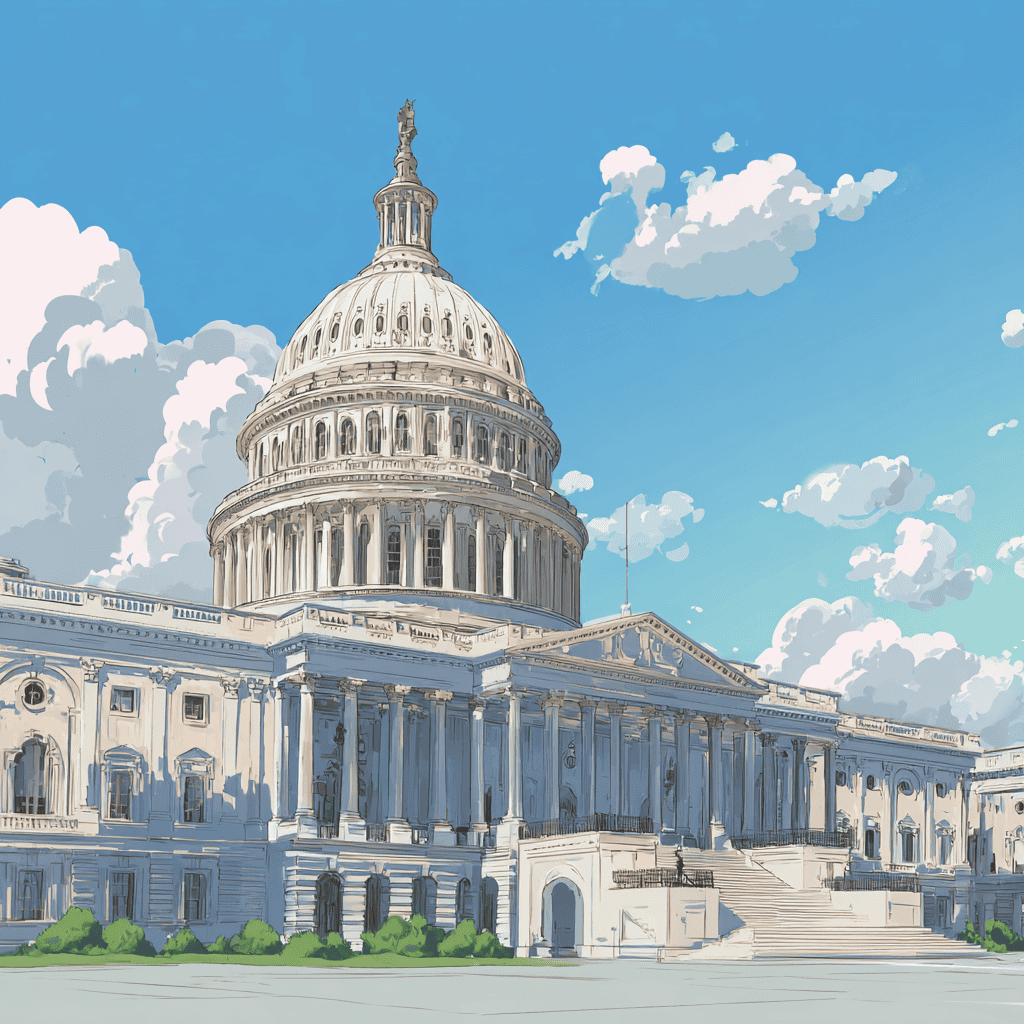
The Constitution establishes the basic legislative framework in Article I, granting Congress the power to make laws while requiring agreement between two chambers—the House of Representatives and the Senate—plus presentment to the President. This structure reflects the Founders’ commitment to preventing hasty lawmaking through what James Madison called the “inconveniences of deliberation.”
The bicameral system ensures that legislation faces scrutiny from representatives elected on different cycles (two years for the House, six for the Senate) and representing different constituencies (districts versus states). This design theoretically balances popular passion with deliberative wisdom, though modern polarization often transforms this balance into gridlock.
Why the Complex Process Exists
The legislative process’s complexity serves multiple purposes:
Preventing Tyranny: Multiple veto points prevent any single faction from ramming through legislation. The Founders feared both mob rule and concentrated power, designing a system requiring broad consensus for major changes.
Ensuring Deliberation: Extended debate and committee review theoretically improve legislation quality. Bad ideas face more opportunities for exposure and defeat.
Protecting Minority Rights: Senate rules especially protect political minorities from majoritarian steamrolling, though this protection sometimes enables obstruction.
Facilitating Compromise: Multiple stages create negotiation opportunities, allowing competing interests to find common ground—at least in theory.
Enabling Citizen Participation: The lengthy process provides multiple intervention points for public influence through lobbying, protests, and electoral pressure.
Step 1: The Genesis of Legislation – Where Bills Begin
Sources of Legislative Ideas
Despite the common perception that Congress originates most legislation, bills come from diverse sources:
Executive Branch Proposals: Presidents outline legislative priorities in State of the Union addresses and submit detailed proposals through cabinet departments. Major legislation like the Affordable Care Act often originates from presidential campaigns and White House policy shops.
Interest Groups and Lobbyists: Industry associations, unions, advocacy organizations, and professional lobbyists draft model legislation and shop it to sympathetic lawmakers. The American Legislative Exchange Council (ALEC) has provided templates for thousands of state and federal bills.
Think Tanks and Policy Institutes: Organizations across the political spectrum develop detailed policy proposals. The Heritage Foundation, Brookings Institution, and Center for American Progress regularly provide legislative blueprints that become bills.
Constituent Concerns: Citizens contact representatives about problems needing legislative solutions. A compelling constituent story can inspire legislation, though individual citizens rarely draft technical legislative language.
Current Events and Crises: Disasters, scandals, and emergencies drive reactive legislation. The PATRIOT Act followed 9/11; Dodd-Frank followed the 2008 financial crisis. Crisis creates political will for otherwise impossible legislation.
Congressional Staff: Experienced staffers, often with specialized expertise, identify problems and draft solutions. Given members’ packed schedules, staff drive much legislative development.
Previous Legislation: Many bills are reintroduced session after session until political conditions allow passage. Medicare took decades of attempts before succeeding in 1965.
The Drafting Process
Turning ideas into bills requires technical precision that most people underestimate:
Legislative Counsel: Both chambers employ nonpartisan lawyers who translate policy goals into proper statutory language. These experts ensure bills integrate with existing law and follow drafting conventions.
Technical Requirements: Bills must include specific elements:
- A title describing the legislation’s purpose
- An enacting clause (“Be it enacted by the Senate and House of Representatives…”)
- Sections amending existing statutes or creating new ones
- Definitions of key terms
- Effective dates and transition provisions
- Funding authorizations if applicable
Length and Complexity: Modern bills range from single pages to thousands. The Affordable Care Act exceeded 2,000 pages; the 2017 Tax Cuts and Jobs Act ran 500+ pages. Complexity reflects both comprehensive policymaking and deliberate obfuscation.
Finding Sponsors: Bills need congressional champions. Primary sponsors lend their names and reputations, while co-sponsors signal broader support. Bipartisan sponsorship dramatically improves passage chances, though polarization makes this increasingly rare.
Step 2: Introduction – The Bill Enters Congress
The Formal Introduction Process
In the House of Representatives:
- Members place bills in the “hopper,” a wooden box on the House floor
- The House Clerk assigns a number (H.R. XXXX for bills, H.J.Res for joint resolutions)
- The Speaker refers bills to appropriate committees, sometimes multiple committees for complex legislation
- Bills become publicly available through Congress.gov
In the Senate:
- Senators formally announce introduction during floor proceedings
- Bills receive numbers (S. XXXX) from the Senate Parliamentarian
- The Parliamentarian refers bills to committees based on jurisdiction
- Senators can object to committee referral, though this rarely happens
Strategic Considerations in Introduction
Timing Matters: Legislators time introductions for maximum impact:
- Early in sessions allows more time for consideration
- Before elections can force position-taking votes
- During relevant news cycles capitalizes on public attention
- Coordinating with other legislative vehicles improves chances
Companion Bills: Legislators often introduce identical bills in both chambers simultaneously, signaling seriousness and saving time if both pass.
Messaging Bills: Some bills are introduced purely for political messaging, with no expectation of passage. These force opponents to take uncomfortable votes or highlight issues for campaigns.
Committee Shopping: Sponsors sometimes craft bills to target friendly committees, though parliamentarians generally prevent obvious manipulation.
Step 3: Committee Action – Where Bills Live or Die
The Committee System’s Power
Congressional committees wield enormous power, earning the nickname “little legislatures.” With approximately 80-90% of bills dying in committee, these bodies effectively control the legislative agenda.
Types of Committees:
- Standing Committees: Permanent bodies with specific jurisdictions (e.g., Ways and Means for taxes)
- Select/Special Committees: Temporary bodies for specific investigations or issues
- Joint Committees: Include members from both chambers, usually for investigations or housekeeping
- Conference Committees: Temporary bodies reconciling House-Senate differences
The Committee Process
Referral and Assignment: Committee chairs decide whether to act on bills. Given thousands of annual introductions but limited time, most bills never receive consideration. This gatekeeping power makes committee chairs among Congress’s most powerful members.
Subcommittee Review: Major committees have specialized subcommittees that conduct initial reviews. The House Energy and Commerce Committee has six subcommittees covering health, environment, communications, and other issues.
Hearings: Committees hold several types of hearings:
- Legislative Hearings: Examining specific bills
- Oversight Hearings: Reviewing executive branch actions
- Investigative Hearings: Probing scandals or problems
- Confirmation Hearings: (Senate only) Vetting presidential nominees
Hearings serve multiple purposes: gathering information, generating media attention, allowing member grandstanding, and creating pressure for action.
Markup Sessions: In markup, committees debate bills line-by-line, offering amendments and revisions. These sessions range from collegial tweaking to partisan warfare. The committee’s final version often differs substantially from the introduced bill.
Committee Vote: Bills need majority support to advance. Strategic voting occurs—members might support bills in committee they’ll oppose on the floor, allowing debate while maintaining opposition.
Committee Strategy and Politics
Chair’s Prerogatives: Committee chairs control schedules, hearing witnesses, and amendment processes. A hostile chair can effectively kill legislation through inaction.
Bipartisan Cooperation: Historically, committees operated more collegially than floor debates. While polarization has infected committees, some still maintain working relationships enabling compromise.
Lobbyist Influence: Committees are ground zero for lobbying. Industry representatives, advocacy groups, and constituents flood members with information, arguments, and campaign contributions around key bills.
Expertise Development: Committee membership allows specialization. Members and staff develop deep knowledge, making them Congress’s internal experts on specific issues.
Step 4: Floor Consideration – The Public Stage
House Floor Procedures
The House’s 435 members necessitate strict rules maintaining order:
The Rules Committee: This “traffic cop” determines which bills reach the floor and under what conditions:
- Closed Rules: No amendments allowed
- Open Rules: Unlimited amendments (increasingly rare)
- Structured Rules: Specific amendments permitted
- Special Rules: Unique procedures for particular bills
The majority party’s control of the Rules Committee provides enormous strategic advantage.
Debate Structure: The House typically allows one hour of general debate, split between parties. Members rarely speak extemporaneously; most read prepared remarks to nearly empty chambers while C-SPAN cameras roll.
Amendment Process: Depending on the rule, members can offer amendments. These range from genuine improvements to “poison pills” designed to kill bills or force uncomfortable votes.
Voting Methods:
- Voice Vote: Members shout “aye” or “no”
- Division Vote: Members stand to be counted
- Recorded Vote: Electronic voting creating permanent records
- Unanimous Consent: Expedited passage for non-controversial bills
Senate Floor Procedures
The Senate’s smaller size allows more flexible, albeit complex, procedures:
Unlimited Debate Tradition: Unlike the House, senators can speak indefinitely unless cloture is invoked. This enables the famous filibuster, where minorities delay or kill legislation through extended debate.
Unanimous Consent Agreements: Most Senate business operates through negotiated agreements about debate time and amendment procedures. A single objection can derail carefully crafted deals.
The Filibuster and Cloture: Ending debate requires 60 votes for cloture, making this the Senate’s most significant hurdle. The filibuster’s evolution from rare tactic to routine obstruction fundamentally changed how the Senate operates.
Amendment Free-for-All: Senators can offer unlimited amendments, including non-germane ones. This allows attaching unrelated provisions to must-pass bills—a practice called “Christmas tree-ing.”
Holds and Hotlining: Individual senators can secretly delay consideration through “holds.” Conversely, non-controversial bills pass through “hotlining,” where bills pass if no senator objects.
Step 5: The Other Chamber – Repetition and Divergence
Parallel Processes
When one chamber passes a bill, the process essentially restarts in the other:
Committee Consideration Again: The receiving chamber refers bills to its committees, which might:
- Accept the other chamber’s version unchanged
- Make minor technical corrections
- Substantially rewrite the legislation
- Ignore it entirely, effectively killing the bill
Strategic Sequencing: Legislators calculate which chamber should act first:
- Revenue bills must originate in the House per the Constitution
- The Senate’s filibuster makes it the typical bottleneck
- Political dynamics might favor starting where passage seems easier
Bicameral Differences
The chambers’ different characters affect legislation:
House Characteristics:
- More majoritarian and partisan
- Faster action on party priorities
- More responsive to public opinion shifts
- Committee expertise drives details
Senate Characteristics:
- More individualistic and deliberative
- Slower, more thorough consideration
- Greater bipartisan cooperation (traditionally)
- Individual senators wield more power
These differences ensure bills face varied scrutiny, though modern polarization has reduced institutional distinctions.
Step 6: Reconciliation – Conference Committees and Ping-Ponging
When Chambers Disagree
Since both chambers must pass identical legislation, differences require resolution through:
Conference Committees: Traditional method for major bills:
- Leadership appoints conferees representing both parties
- Meetings blend formal sessions with backroom negotiations
- Conferees can technically only address differences, though they sometimes expand beyond disputes
- Final “conference reports” return to both chambers for up-or-down votes
Ping-Ponging: Increasingly common alternative:
- Chambers exchange amendments back and forth
- Each votes on the other’s changes until agreement
- Avoids conference committees’ complexity
- Allows more leadership control
The Politics of Reconciliation
Power Dynamics: Conference committees become mini-legislatures where seniority, expertise, and negotiating skill determine outcomes. Conferees sometimes insert provisions neither chamber passed—though rules technically prohibit this.
Strategic Disagreement: Chambers sometimes deliberately pass different versions to force negotiations where preferred provisions might survive.
Time Pressure: End-of-session deadlines create leverage. Must-pass bills facing deadlines see frantic last-minute negotiations and compromise.
Step 7: Presidential Action – The Executive Check
Presidential Options
Once Congress passes identical legislation, the President has four choices:
Sign Into Law: Presidents often hold signing ceremonies for major legislation, using the platform to claim credit and explain implementation priorities. Multiple pens create souvenirs for supporters.
Veto: Returning bills to Congress with objections triggers override attempts. Veto threats during the legislative process can shape bills before passage.
Pocket Veto: If Congress adjourns within 10 days of sending bills to the President, inaction kills the legislation. This avoids confrontational vetoes while achieving the same result.
Passive Approval: Presidents can let bills become law without signatures, expressing disapproval while avoiding veto overrides. This rare tactic signals reluctant acquiescence.
Veto Politics and Strategy
Veto Threats as Negotiation: Presidents influence legislation by threatening vetoes, forcing Congress to accommodate executive priorities or risk wasted effort.
Override Calculations: Achieving two-thirds majorities in both chambers is extraordinarily difficult. Of nearly 3,000 presidential vetoes, Congress has overridden fewer than 120.
Signing Statements: Presidents increasingly issue statements interpreting legislation or indicating provisions they won’t enforce. While legally questionable, these shape implementation.
Line-Item Veto Debate: Presidents have long sought power to veto specific provisions rather than entire bills. The Supreme Court ruled this unconstitutional in 1998, preserving Congress’s power.
Step 8: Implementation – Where Laws Meet Reality
After the Signature
A bill becoming law is just the beginning:
Regulatory Development: Executive agencies write detailed regulations implementing broad statutory language. These regulations often determine laws’ practical impact.
Funding Appropriation: Authorization bills create programs; appropriation bills provide money. Programs can be authorized but unfunded, making them effectively dead letters.
Legal Challenges: Courts review laws for constitutionality and interpret ambiguous provisions. Major legislation often faces immediate lawsuits that can reshape or invalidate provisions.
Administrative Capacity: Agencies need staff, systems, and expertise to implement new laws. The Affordable Care Act’s troubled rollout demonstrated implementation’s importance.
Political Will: Future administrations might enthusiastically implement, minimally enforce, or actively undermine laws depending on political alignment.
The Hidden Players: Forces Shaping the Legislative Process
Congressional Staff
While members get credit, staff do much actual work:
Personal Staff: Each member employs 15-50 staff handling correspondence, scheduling, policy development, and constituent services. Senior staff often have more policy expertise than members themselves.
Committee Staff: Committees employ subject-matter experts who draft legislation, organize hearings, and negotiate details. These professionals provide institutional memory across electoral cycles.
Institutional Staff: The Congressional Research Service, Congressional Budget Office, and Government Accountability Office provide nonpartisan analysis supporting the legislative process.
Revolving Door: Staff frequently move between Congress, executive agencies, and private sector, creating networks facilitating deal-making but raising influence concerns.
Lobbyists and Interest Groups
Professional lobbyists profoundly influence legislation:
Information Provision: Lobbyists offer expertise, data, and arguments supporting their positions. Overwhelmed staff rely on this information, though its bias is obvious.
Coalition Building: Effective lobbyists assemble diverse supporters, demonstrating broad backing for legislation. Strange-bedfellow coalitions can break partisan gridlock.
Campaign Contributions: While direct quid-pro-quo is illegal, campaign donations ensure access and attention. Members spend hours daily fundraising, creating dependency on major donors.
Grassroots Mobilization: Modern lobbying deploys constituent pressure through organized letter-writing, phone campaigns, and district events showing public support.
Media and Public Opinion
Media coverage shapes legislative possibilities:
Agenda Setting: Media attention can elevate issues from obscurity to national priority. School shootings drive gun debates; viral videos spark police reform discussions.
Framing Debates: How media describes legislation influences public opinion. “Death panels” helped kill Affordable Care Act provisions; “tax relief” sounds better than “tax cuts for the wealthy.”
Creating Pressure: Sustained coverage generates political pressure for action. Climate change’s increasing coverage correlates with legislative attention.
Accountability Journalism: Investigative reporting exposing problems or corruption can spark legislative responses, though declining local journalism reduces this check.
Real-World Case Studies: Theory Meets Practice
The Civil Rights Act of 1964: Overcoming Obstruction
The Civil Rights Act’s journey illustrates the legislative process’s capacity for both obstruction and transformation:
Origins: President Kennedy proposed the bill in June 1963 following Birmingham demonstrations. His assassination made it President Johnson’s top priority.
House Journey: The bill spent months in the Rules Committee, whose chairman opposed civil rights. Discharge petition threats finally forced action. The House passed it 290-130 in February 1964.
Senate Filibuster: Southern senators filibustered for 60 days—the longest in history. Bipartisan cooperation between Democrats and Republicans achieved cloture, breaking the filibuster.
Passage: The Senate passed the bill 73-27 in June 1964. President Johnson signed it within hours, understanding its historic importance.
Lessons: The Civil Rights Act shows how determined minorities can obstruct but also how moral pressure and political skill can overcome obstruction.
The Affordable Care Act: Partisan Warfare
The ACA’s passage demonstrates modern legislative warfare:
Development: President Obama made healthcare reform his signature initiative. Multiple committees developed different versions through 2009.
House Drama: Speaker Pelosi barely assembled 220 votes for passage, losing 39 Democrats. No Republicans supported it.
Senate Maneuvering: Democrats used budget reconciliation to avoid filibusters after losing their 60-vote supermajority. The “Cornhusker Kickback” and other deals secured wavering senators.
Final Passage: The House passed the Senate version unchanged to avoid another Senate vote. President Obama signed it in March 2010.
Aftermath: Republicans campaigned against “Obamacare,” winning the House in 2010. Dozens of repeal attempts followed, though the law survived.
Lessons: The ACA shows how partisan polarization complicates major legislation and how procedural maneuvers can overcome opposition.
The PATRIOT Act: Crisis Legislation
The PATRIOT Act exemplifies crisis-driven lawmaking:
Rapid Development: Introduced October 23, 2001—just 42 days after 9/11. The 342-page bill was largely drafted by the Justice Department.
Limited Debate: Most members hadn’t read the bill. The House allowed just one hour of debate. Fear of appearing soft on terrorism discouraged opposition.
Overwhelming Passage: The House passed it 357-66; the Senate 98-1. Only Senator Feingold voted against it.
Later Regrets: Many members later regretted their votes as surveillance revelations emerged. Subsequent reauthorizations proved more contentious.
Lessons: The PATRIOT Act warns how crises can short-circuit deliberation, producing legislation legislators later regret.
Why Understanding the Legislative Process Matters
For Citizens
Understanding how bills become laws empowers civic engagement:
Effective Advocacy: Knowing process reveals when and how to influence legislation. Committee consideration offers better intervention opportunities than floor votes.
Realistic Expectations: Understanding difficulty explains why change happens slowly and why campaign promises often go unfulfilled.
Accountability: Process knowledge helps evaluate whether representatives genuinely fight for priorities or merely posture.
Detecting Manipulation: Understanding procedures reveals when politicians use process as excuse for inaction or to hide true positions.
For Democracy
The legislative process reflects democracy’s fundamental tensions:
Efficiency vs. Deliberation: Quick action meets crises but enables mistakes. Deliberation improves quality but frustrates urgent needs.
Majority Rule vs. Minority Rights: Pure democracy could tyrannize minorities. Too much minority protection enables obstruction.
Transparency vs. Deal-Making: Public processes ensure accountability. Private negotiations enable compromise.
National vs. Local Interests: Members balance district needs with national good, creating collective action problems.
Modern Challenges to the Legislative Process
Polarization and Gridlock
Increasing partisan polarization fundamentally challenges the legislative process:
Disappearing Middle: Moderate members who facilitated compromise have largely vanished, replaced by ideological purists.
Party Line Voting: Bills increasingly pass on strict party lines, making divided government nearly dysfunctional.
Perpetual Campaign: Members focus more on next elections than governing, viewing compromise as betrayal.
Negative Partisanship: Members are motivated more by defeating opponents than achieving policy goals.
Procedural Arms Race
Both parties increasingly exploit procedures for advantage:
Filibuster Evolution: Once-rare filibusters are now routine, effectively requiring 60 Senate votes for anything controversial.
Reconciliation Abuse: Budget reconciliation, meant for fiscal matters, now passes major policy changes avoiding filibusters.
Omnibus Packaging: Massive bills combining multiple issues prevent careful consideration but ease passage.
Emergency Procedures: Leaders increasingly bypass regular order through emergency rules and deadline pressure.
External Pressures
Modern technology and money reshape legislative dynamics:
Social Media Pressure: Twitter storms and viral moments drive legislative agendas more than deliberative planning.
Dark Money Influence: Unlimited anonymous political spending through super PACs increases special interest influence.
Lobbying Sophistication: Modern lobbying deploys big data, micro-targeting, and psychological manipulation.
Information Overload: The volume of information overwhelms human processing capacity, advantaging those who control information flow.
The Future of Lawmaking
Potential Reforms
Various reforms could improve the legislative process:
Filibuster Reform: Proposals range from elimination to requiring talking filibusters to exempting certain legislation.
Regular Order Restoration: Returning to committee-centered processes could improve deliberation and bipartisanship.
Campaign Finance Reform: Reducing money’s influence could refocus members on governing rather than fundraising.
Transparency Improvements: Technology could make the process more visible and accessible to citizens.
Scheduling Changes: Longer Washington work weeks could facilitate relationship-building and serious legislating.
Technology’s Promise and Peril
Technology could transform lawmaking:
Digital Democracy: Online platforms could enable broader participation in legislative development.
AI Analysis: Machine learning could analyze legislation’s likely impacts and unintended consequences.
Blockchain Voting: Distributed ledgers could create tamper-proof voting records.
Virtual Participation: Remote technology could reduce travel demands and enable broader participation.
However, technology also creates risks of manipulation, surveillance, and further polarization.
Conclusion: The Imperfect Beauty of Democratic Lawmaking
The process of how a bill becomes a law is messy, frustrating, and often seems broken. Bills die in committee drawers. Good ideas fall to partisan politics. Urgent needs meet procedural roadblocks. Money talks louder than citizens. The sausage-making metaphor undersells the ugliness.
Yet this convoluted process also embodies democracy’s core wisdom: major changes should require broad consensus. The multiple veto points that frustrate reformers also prevent tyranny. The same procedures that enable obstruction also protect minorities. The inefficiency that delays good legislation also stops bad ideas.
Understanding this process—both its formal rules and informal realities—is essential for engaged citizenship. When you know how bills navigate Congress, you can better influence that journey. You can distinguish between genuine legislative efforts and political theater. You can hold representatives accountable for results, not just rhetoric.
The Founders designed a legislative process that assumes conflict, expects disagreement, and requires compromise. In our polarized era, that design faces its greatest test. Whether the process adapts to modern challenges or breaks under their weight will shape American democracy’s future.
But one truth remains constant: the legislative process is only as good as the citizens who engage with it. Laws don’t make themselves—people working through this imperfect process make them. Understanding how bills become laws isn’t just civic education; it’s preparation for the essential work of democracy. The question isn’t whether the process is perfect—it clearly isn’t. The question is whether we’ll engage with it anyway, using our knowledge to push for the changes our communities need.
Because in the end, the legislative process isn’t just about how bills become laws. It’s about how we, the people, govern ourselves in all our messy, contentious, glorious democratic complexity.
Additional Resources
- Congress.gov – Official source for federal legislation, tracking bills through every step
- GovTrack.us – Independent bill tracking with analysis and predictions
- C-SPAN – Live coverage and archives of congressional proceedings