Table of Contents
How Does the US Foreign Policy Process Work? Understanding America’s Role in Global Affairs
The Complex Machinery of American Foreign Policy
The foreign policy of the United States operates through an intricate system of institutions, processes, and competing interests that determines how America engages with nearly 200 nations worldwide. Unlike parliamentary systems where foreign policy can shift dramatically with new governments, the U.S. system creates continuity through institutional checks and balances while allowing for presidential leadership and democratic input. This $50 billion annual enterprise employing over 75,000 people shapes everything from the price of gasoline to the prospect of war and peace.
Understanding how US foreign policy works reveals why America can simultaneously project enormous global influence while sometimes appearing paralyzed by internal disagreement. The process involves not just the President and State Department, but Congress, intelligence agencies, the military, lobbyists, think tanks, media, and ultimately the American people. This complex machinery produces policies affecting global trade worth $5 trillion annually, military alliances covering one billion people, and diplomatic relationships that influence everything from climate change to pandemic response.
The Constitutional Framework: Divided Powers by Design
The Founders’ Foreign Policy Vision
The Constitution deliberately divides foreign policy powers to prevent both tyranny and rash decision-making:
Presidential Powers (Article II):
- Serve as Commander-in-Chief of armed forces
- Negotiate treaties and executive agreements
- Appoint ambassadors (with Senate confirmation)
- Receive foreign ambassadors
- Execute foreign policy
- Conduct diplomacy
Congressional Powers (Article I):
- Declare war (not used since 1942)
- Appropriate all funding
- Regulate foreign commerce
- Ratify treaties (Senate, two-thirds vote)
- Confirm appointments (Senate)
- Oversight of executive actions
- Impeachment power
Judicial Powers (Article III):
- Interpret treaties
- Review executive actions
- Settle disputes involving foreign parties
- Define constitutional limits
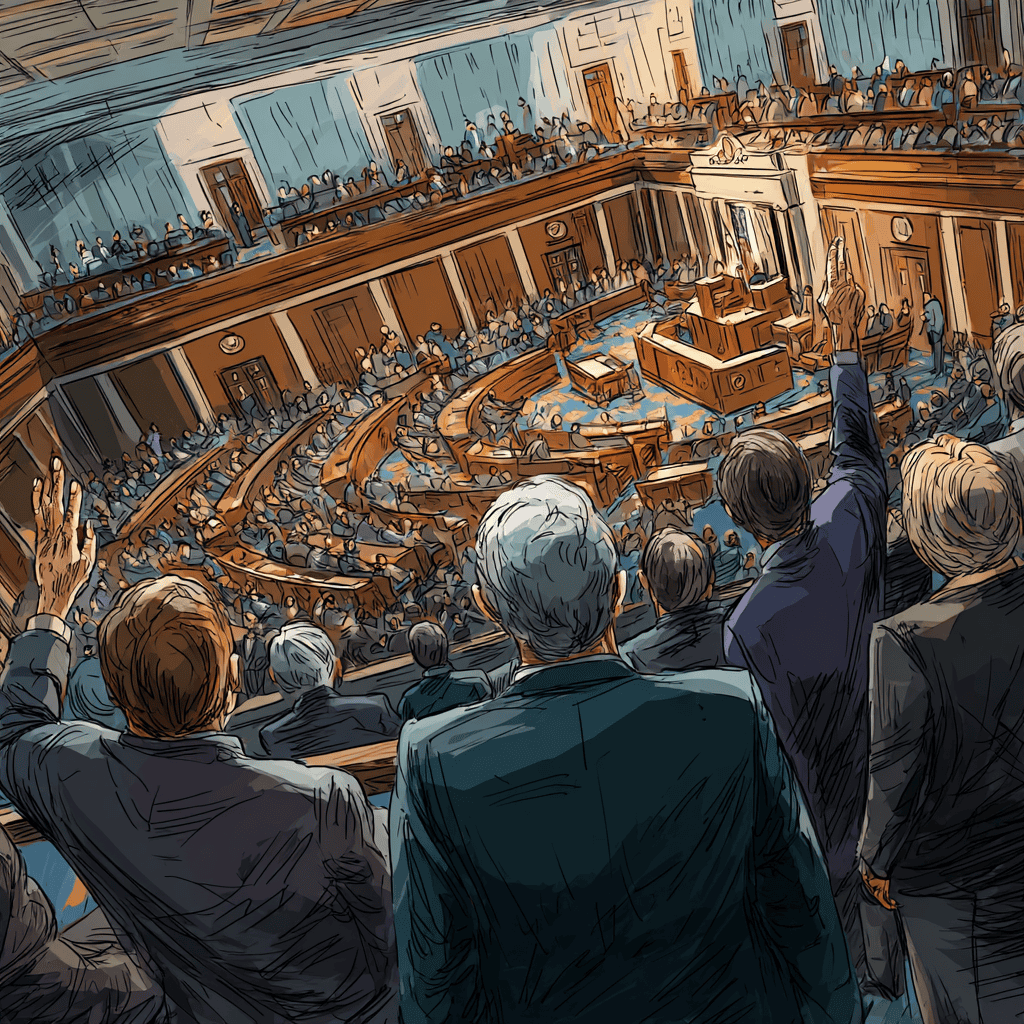
This separation creates what Edward Corwin called an “invitation to struggle” between branches, ensuring that major foreign policy decisions require broad consensus while allowing flexibility for crisis response.
Key Institutional Players
The Executive Branch: Primary but Not Exclusive
The President stands at the center of foreign policy but operates within constraints:
Chief Diplomat:
- Sets overall foreign policy direction
- Conducts personal diplomacy with world leaders
- Negotiates agreements (500+ executive agreements annually vs. 10-20 treaties)
- Recognizes foreign governments
- Breaks diplomatic relations
Commander-in-Chief:
- Directs military operations
- Deploys troops (without declaring war)
- Maintains nuclear arsenal
- Responds to attacks
- Conducts covert operations
Chief Executive:
- Directs foreign policy bureaucracy
- Issues executive orders on foreign matters
- Implements congressional mandates
- Manages crisis response
The State Department: America’s Diplomatic Arm
The State Department’s foreign policy role encompasses:
Structure and Reach:
- 75,000 employees worldwide
- 270 embassies and consulates
- $55 billion annual budget
- Regional and functional bureaus
- Foreign Service officers in 195 countries
Core Functions:
- Conduct diplomacy and negotiations
- Protect American citizens abroad (9 million expatriates)
- Issue visas (10 million annually)
- Promote economic interests
- Advance democratic values
- Coordinate foreign assistance ($40 billion annually)
- Manage public diplomacy
The Secretary of State:
- President’s principal foreign policy advisor
- Manages diplomatic corps
- Represents U.S. internationally
- Fourth in line of succession
- Traditionally travels 100,000+ miles annually
The Defense Department: Military Instrument
Pentagon’s foreign policy influence extends beyond warfare:
Military Diplomacy:
- Security cooperation with 140+ nations
- Military exercises (100+ annually)
- Defense attachés in embassies
- Training foreign militaries
- Arms sales ($175 billion annually)
- Humanitarian assistance
Power Projection:
- 750+ military bases in 80 countries
- 1.3 million active-duty personnel
- $770 billion annual budget
- 11 aircraft carrier groups
- Global command structure
Civil-Military Balance:
- Civilian control through Secretary of Defense
- Joint Chiefs provide military advice
- Combatant commanders execute policy
- Interagency coordination required
Intelligence Community: The Hidden Dimension
Intelligence agencies in foreign policy provide crucial information:
Key Agencies:
- CIA: Human intelligence, covert operations ($15 billion budget)
- NSA: Signals intelligence, cyber operations
- DIA: Military intelligence
- State INR: Diplomatic intelligence
- NGA: Geospatial intelligence
- Plus 12 other agencies
Functions:
- Provide strategic warning
- Support negotiations
- Monitor compliance
- Conduct covert actions
- Counter foreign intelligence
- Assess threats and opportunities
The Daily Brief:
- President’s Daily Brief (PDB)
- 30-40 page classified document
- Most exclusive publication in government
- Shapes daily decision-making
The National Security Council: Coordinating Policy
The NSC foreign policy process integrates diverse perspectives:
Structure:
- National Security Advisor (no Senate confirmation)
- 400+ professional staff
- Deputies Committee (implementation)
- Principals Committee (cabinet-level)
- NSC meetings (President chairs)
Functions:
- Coordinate between agencies
- Develop policy options
- Manage crisis response
- Implement presidential decisions
- Resolve interagency disputes
Congressional Role: The Other Branch
Legislative Powers in Practice
Congress shapes foreign policy through multiple mechanisms:
Authorization and Appropriation:
- Authorize programs and spending levels
- Appropriate actual funds (two-step process)
- Earmark funds for specific purposes
- Withhold funding to influence policy
- Pass supplemental funding for emergencies
Legislative Mandates:
- War Powers Resolution (1973)
- Arms Export Control Act
- Foreign assistance conditions
- Sanctions legislation
- Trade promotion authority
Oversight Functions:
- Hold 1,000+ hearings annually
- Investigate executive actions
- Require reports (5,000+ annually)
- Subpoena witnesses and documents
- Classified briefings
Key Congressional Committees
Senate Committees:
- Foreign Relations: Treaties, nominations, legislation
- Armed Services: Defense policy, military operations
- Intelligence: Covert operations, intelligence programs
- Appropriations: Funding decisions
House Committees:
- Foreign Affairs: Legislation, oversight
- Armed Services: Defense authorization
- Intelligence: Intelligence oversight
- Appropriations: Funding bills
Congressional-Executive Tensions
Recurring foreign policy disputes:
- War powers: Presidents claim inherent authority; Congress asserts constitutional role
- Executive agreements: Bypass treaty ratification; Congress seeks involvement
- Intelligence operations: Notification requirements vs. operational security
- Arms sales: Congressional review vs. presidential flexibility
- Sanctions: Legislative mandates vs. diplomatic flexibility
The Foreign Policy Process: From Concept to Implementation
Identifying Issues and Setting Agenda
How foreign policy issues emerge:
External Triggers:
- International crises (wars, coups, disasters)
- Attacks on Americans
- Alliance requests
- Economic disruptions
- Humanitarian emergencies
- Treaty obligations
Internal Drivers:
- Electoral mandates
- Interest group pressure
- Media coverage
- Public opinion shifts
- Congressional initiatives
- Bureaucratic advocacy
Policy Development Process
The interagency process for major decisions:
- Issue Identification (Days 1-3):
- Intelligence assessment
- State Department cables
- Military reports
- Media coverage
- Interagency Review (Days 4-10):
- Working groups convene
- Options developed
- Legal review
- Resource assessment
- Deputies Committee (Days 11-15):
- Refine options
- Identify disagreements
- Cost-benefit analysis
- Risk assessment
- Principals Committee (Days 16-20):
- Cabinet-level review
- Final recommendations
- Contingency planning
- Presidential Decision (Day 21+):
- NSC meeting
- Presidential directive
- Implementation orders
Implementation Challenges
Why foreign policy implementation often falters:
- Bureaucratic resistance: Agencies protect turf and budgets
- Resource constraints: Insufficient funding or personnel
- Allied cooperation: Dependent on other nations
- Domestic opposition: Public or Congressional resistance
- Unintended consequences: Policies produce unexpected results
- Time horizons: Long-term goals vs. short-term pressures
Tools of American Foreign Policy
Diplomatic Instruments
Traditional diplomacy:
- Bilateral negotiations
- Multilateral forums
- Summit meetings
- Track II diplomacy
- Cultural exchanges
- Public diplomacy
Modern diplomatic tools:
- Digital diplomacy
- Economic statecraft
- Climate diplomacy
- Health diplomacy
- Science diplomacy
- Sports diplomacy
Economic Leverage
Positive economic tools:
- Foreign aid ($50 billion annually)
- Trade agreements (14 active FTAs)
- Investment treaties
- Development finance
- Debt relief
- Technical assistance
Negative economic tools:
- Comprehensive sanctions (Iran, North Korea)
- Targeted sanctions (individuals, entities)
- Trade restrictions
- Financial isolation
- Technology export controls
- Secondary sanctions
Military Instruments
Spectrum of military options:
- Deterrence: Nuclear and conventional forces
- Presence: Forward deployment, freedom of navigation
- Security cooperation: Training, exercises, arms sales
- Show of force: Carrier deployments, bomber flights
- Limited strikes: Cruise missiles, drone strikes
- Special operations: Raids, hostage rescue
- Major operations: Iraq, Afghanistan
Information and Influence
Soft power projection:
- Broadcasting (Voice of America, Radio Free Europe)
- Educational exchanges (Fulbright program)
- Cultural programs
- Social media engagement
- Counter-disinformation
- Strategic communications
Major Foreign Policy Doctrines and Strategies
Historical Doctrines
Foundational approaches that still influence policy:
- Monroe Doctrine (1823): Western Hemisphere sphere of influence
- Open Door (1899): Equal commercial access
- Wilsonianism (1918): Democratic idealism
- Containment (1947): Limit Soviet expansion
- Détente (1969): Reduce tensions
- Reagan Doctrine (1985): Rollback communism
Contemporary Strategies
Post-Cold War approaches:
- Engagement and Enlargement (Clinton): Expand democracy and markets
- Bush Doctrine (2001): Preemption, unilateralism
- Obama Doctrine (2009): Multilateralism, restraint
- America First (Trump): Nationalism, transactionalism
- Foreign Policy for the Middle Class (Biden): Democracy vs. autocracy
Influence Networks: Beyond Government
Think Tanks and Policy Networks
Think tank influence on foreign policy:
Major institutions:
- Council on Foreign Relations (5,000 members)
- Brookings Institution
- Heritage Foundation
- RAND Corporation
- Carnegie Endowment
- American Enterprise Institute
Functions:
- Provide policy expertise
- Supply government personnel
- Shape public debate
- Offer neutral forums
- Conduct track II diplomacy
Interest Groups and Lobbying
Foreign policy lobbying represents $500+ million annually:
Types of groups:
- Ethnic lobbies (AIPAC, Cuban-American)
- Business associations
- Human rights organizations
- Defense contractors
- Foreign governments
- Religious groups
Influence mechanisms:
- Campaign contributions
- Grassroots mobilization
- Media campaigns
- Congressional testimony
- Executive branch meetings
- Public demonstrations
Media and Public Opinion
Media’s foreign policy role:
- Agenda setting: What issues receive attention
- Framing: How issues are understood
- CNN Effect: Real-time pressure for action
- Investigative reporting: Uncovering secret policies
- Opinion shaping: Editorial positions
- Information warfare: Foreign propaganda
Public opinion impact:
- Constrains military interventions
- Influences election outcomes
- Shapes Congressional positions
- Affects alliance relationships
- Determines staying power
Contemporary Challenges and Debates
Structural Challenges
Systemic issues affecting foreign policy:
- Partisan polarization: Eroding bipartisan consensus
- Executive dominance: Congressional abdication
- Bureaucratic inertia: Resistance to change
- Information overload: Decision-making complexity
- Rapid change: Technology outpacing institutions
- Resource constraints: Ambitions exceeding means
Current Debates
Major foreign policy questions:
- Great power competition vs. cooperation
- Democracy promotion vs. realism
- Military intervention vs. restraint
- Unilateralism vs. multilateralism
- Trade protectionism vs. free trade
- Climate action vs. economic growth
Emerging Issues
New foreign policy frontiers:
- Cyber warfare and deterrence
- Space militarization
- Artificial intelligence competition
- Pandemic preparedness
- Climate security
- Migration management
- Supply chain resilience
How Foreign Policy Affects Daily Life
Economic Impacts
Foreign policy shapes economic life:
- Trade policy: Consumer prices, job availability
- Energy policy: Gasoline prices, electricity costs
- Currency policy: Dollar strength, import costs
- Investment rules: Retirement savings, stock market
- Sanctions: Business opportunities, technology access
Security Impacts
Foreign policy affects safety:
- Terrorism prevention
- Border security
- Cybersecurity
- Nuclear deterrence
- Alliance commitments
- Military deployments
Cultural and Social Impacts
Foreign policy influences society:
- Immigration levels and diversity
- Educational exchanges
- Cultural programming
- Information environment
- Travel opportunities
- Global reputation
Participating in Foreign Policy
Citizen Engagement
How citizens can influence foreign policy:
- Vote based on foreign policy positions
- Contact representatives about international issues
- Join advocacy organizations
- Participate in public debates
- Support exchange programs
- Engage in citizen diplomacy
Career Opportunities
Foreign policy career paths:
- Foreign Service (State Department)
- Intelligence agencies
- Military service
- International development
- Think tanks and research
- Journalism and media
- NGOs and nonprofits
- International business
Conclusion: Democracy and Diplomacy
The US foreign policy process represents a continuous negotiation between democratic ideals and strategic necessities, between multiple branches of government and countless interest groups, between American values and global realities. This complex machinery, while sometimes slow and contradictory, reflects the founders’ vision of preventing both rash action and paralysis in America’s engagement with the world.
Understanding how this process works empowers citizens to engage more effectively in debates about America’s global role. Foreign policy isn’t made by mysterious forces but through identifiable institutions and processes that remain ultimately accountable to the American people. While the President leads and Congress checks, voters ultimately judge.
As global challenges grow more complex—from climate change to pandemic disease, from cyber threats to economic interdependence—the foreign policy process must balance consistency with adaptability, strength with restraint, and interests with values. The effectiveness of American foreign policy depends not just on military might or economic power, but on the democratic process that guides their use.
The future of U.S. foreign policy will be shaped by how well this centuries-old system adapts to 21st-century challenges while maintaining democratic accountability. Citizens who understand this process can better evaluate policies, hold leaders accountable, and participate in shaping America’s role in an interconnected world.
For more information on U.S. foreign policy, visit the State Department, explore resources at the Council on Foreign Relations, or read the National Security Strategy at WhiteHouse.gov.