Table of Contents
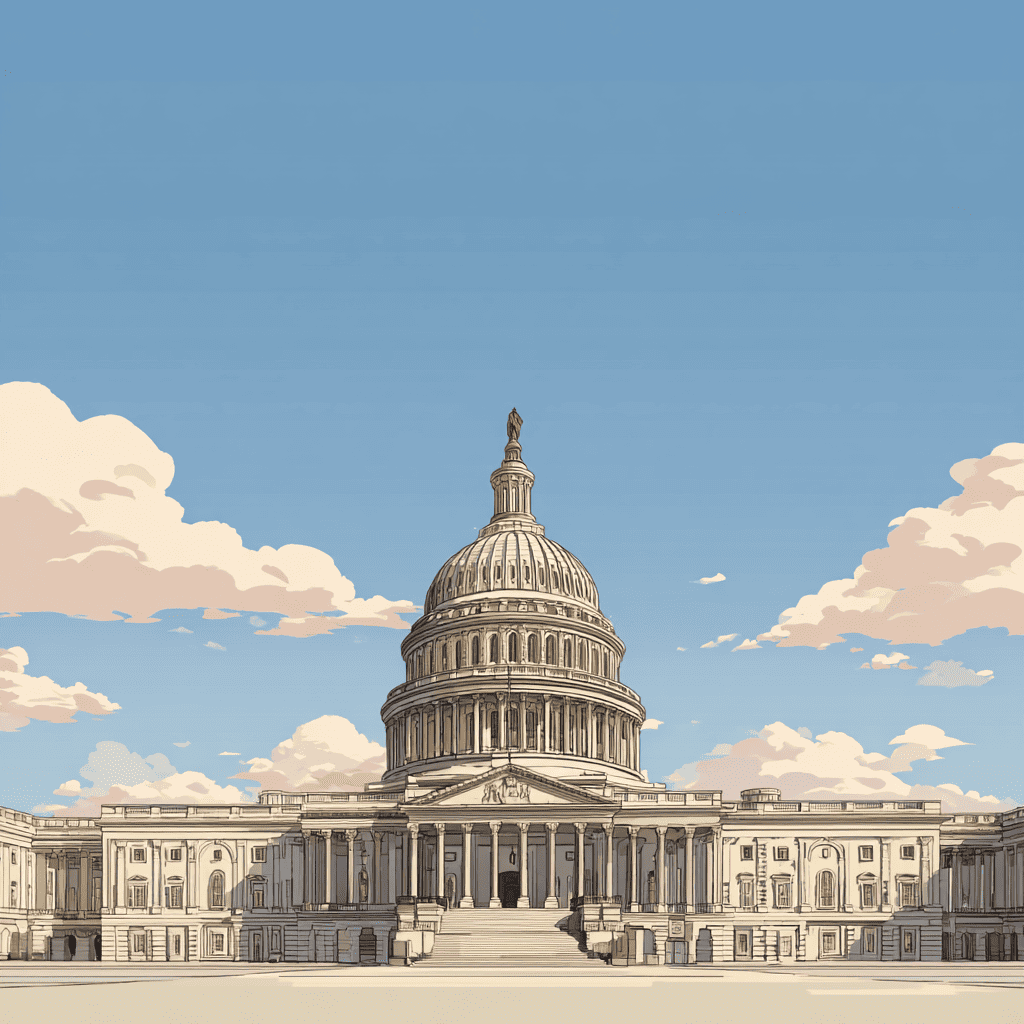
How Federal Shutdowns Affect Everyday Life: Complete Guide to Mail, Benefits, and Services During Government Closures
When politicians deadlock over budgets and the federal government shuts down, the impact ripples far beyond Washington D.C.’s marble halls. While cable news focuses on political drama, millions of Americans face practical questions: Will my Social Security check arrive? Can I visit Yellowstone next week? Will my tax refund be delayed? Understanding how government shutdowns affect daily life helps you prepare for disruptions and separate real impacts from political rhetoric.
The effects of a federal shutdown on everyday services vary dramatically depending on the shutdown’s length, which agencies lose funding, and where you live. Some services continue seamlessly while others halt immediately. This comprehensive guide explains exactly what happens to the government services you rely on during a shutdown, helping you navigate the practical realities when Washington’s dysfunction hits home.
Understanding What “Shutdown” Actually Means
Essential vs. Non-Essential: The Critical Distinction
During a government shutdown, federal agencies divide their operations into two categories that determine what continues:
Essential Services (also called “excepted” activities) include functions necessary for:
- National security and defense
- Public safety and law enforcement
- Protection of life and property
- Functions required by law to continue
- Activities that protect ongoing operations
Non-Essential Services encompass everything else—activities that, while important, don’t meet the immediate necessity threshold. This includes most administrative functions, research activities, regulatory reviews, and public services.
The distinction often seems arbitrary. Why are national parks “non-essential” while the TSA is “essential”? The answer lies in legal interpretations of the Antideficiency Act and decades of precedent about what constitutes protecting life and property.
The Legal Framework Behind Shutdowns
The Antideficiency Act prohibits federal agencies from spending money Congress hasn’t appropriated. This 1884 law, strengthened over time, makes it a criminal offense for federal employees to authorize expenditures without funding. During shutdowns, agencies must cease operations unless they:
- Have independent funding sources (like the Postal Service)
- Are funded through multi-year or permanent appropriations
- Qualify as essential for protecting life and property
- Are constitutionally required to continue
This legal framework explains why shutdown impacts on citizens vary so widely—different programs have different funding mechanisms and legal requirements.
Mail and Postal Services: Why Your Letters Keep Coming
The USPS Exception
The U.S. Postal Service during shutdowns operates normally because it’s an independent agency that generates revenue through postage sales rather than congressional appropriations. This means:
- All mail delivery continues on regular schedules
- Post offices remain open with normal hours
- Package services (Priority Mail, Express Mail) operate unchanged
- Postal employees receive paychecks without interruption
- Online services remain available for tracking and postage purchases
The Postal Service’s independence stems from the Postal Reorganization Act of 1970, which transformed it from a cabinet department into a self-funding independent agency. While USPS faces separate financial challenges, government shutdowns don’t affect its operations.
What About Other Delivery Services?
Federal shutdowns can indirectly affect mail and packages:
Customs Processing: While customs officers are deemed essential, reduced staffing can slow international mail and packages. Express carriers report delays during extended shutdowns.
Government Mail: Agencies may not send out notices, correspondence, or benefits information during shutdowns, even though USPS would deliver them.
Address Changes: Military address changes through USPS may face delays if Defense Department personnel who process them are furloughed.
Social Security, Medicare, and Retirement Benefits
What Continues Without Interruption
Social Security benefits during shutdowns continue because they’re funded through permanent appropriations from trust funds, not annual congressional appropriations:
- Monthly retirement benefits arrive on schedule
- Disability benefits (SSDI) continue normally
- Survivor benefits maintain regular payment schedules
- Supplemental Security Income (SSI) payments continue
- Medicare coverage remains fully active
- Medicare reimbursements to healthcare providers continue
These programs are considered “mandatory spending,” meaning they operate on autopilot unless Congress actively changes the underlying laws.
Service Disruptions You Might Face
While benefits continue, Social Security Administration services face significant disruptions:
New Applications: Processing new Social Security or disability applications slows dramatically. During the 2018-2019 shutdown, SSA furloughed 46% of employees, creating massive backlogs.
Appeals and Hearings: Disability appeal hearings may be postponed. Administrative law judges often can’t access case files or hold hearings.
Customer Service: Phone lines experience longer wait times or may not operate. Field offices might close or operate with skeleton crews.
Card Replacements: Getting replacement Social Security or Medicare cards faces delays.
Benefit Verifications: Income verification letters for loans or housing may be unavailable.
Online Services: While many online services continue, technical problems might not get resolved quickly.
Medicare and Medicaid Specifics
Medicare operations during shutdowns:
- Coverage continues uninterrupted for Parts A, B, C, and D
- Providers receive payments, though new provider enrollments slow
- Appeals and customer service face delays
- Medicare.gov may have limited functionality
Medicaid also continues because it’s mandatory spending, but:
- States might face delays receiving federal matching funds
- New state plan amendments or waivers halt
- Program oversight and auditing cease
Tax Services and IRS Operations
Filing Requirements Remain
Taxes during government shutdowns present a unique situation—you still must file and pay on time regardless of IRS operations:
What Doesn’t Change:
- Filing deadlines remain firm (shutdown isn’t considered reasonable cause for delay)
- Payment obligations continue
- Penalties and interest accrue normally
- Electronic filing typically remains available
What Gets Disrupted:
- Refund processing may stop entirely or slow significantly
- Taxpayer assistance hotlines may not operate
- In-person help at Taxpayer Assistance Centers ceases
- Audits generally pause (though statute of limitations clock keeps running)
- Collections activities may be suspended
- Paper return processing halts
The Refund Dilemma
Tax refunds during shutdowns have become politically contentious. Historically, IRS suspended refund payments during shutdowns. However, recent administrations have found ways to continue refund processing to minimize public anger:
During the 2018-2019 shutdown, the Trump administration reversed decades of precedent by directing IRS to process refunds despite the shutdown, calling back 46,000 furloughed employees. This decision faced legal challenges but demonstrated how political pressure can reshape shutdown impacts.
For taxpayers, this means:
- Electronic refunds might continue but face delays
- Paper check refunds almost certainly stop
- State tax refunds aren’t affected (unless your state has its own shutdown)
- Amended return processing halts completely
National Parks and Recreation Areas
The Most Visible Shutdown Impact
National parks during government shutdowns provide the most visible and politically potent examples of shutdown effects. With 423 sites across the National Park System receiving 318 million annual visits, closures affect millions directly:
Complete Closures: Many parks close entirely, with gates locked and visitors turned away. During the 2013 shutdown, images of veterans blocked from the World War II Memorial became political lightning rods.
Partial Operations: Some parks remain physically accessible but without services:
- Visitor centers close
- Ranger programs cancel
- Restrooms may be locked
- Trash collection stops
- Search and rescue becomes limited
- Campground reservations may be cancelled
State Interventions: Some states fund minimal park operations during federal shutdowns. Utah, Arizona, and New York have paid to keep certain parks partially open, recognizing their economic importance.
Environmental and Safety Concerns
Unattended parks during shutdowns face serious problems:
Resource Damage: The 2018-2019 shutdown saw significant damage at Joshua Tree National Park, with illegal off-roading, vandalism, and trees cut down. Recovery costs exceeded immediate savings from the shutdown.
Public Safety Risks: Without rangers, visitors face greater dangers from weather, wildlife, and terrain. Emergency response capabilities diminish dramatically.
Sanitation Issues: Overflowing trash and human waste create health hazards. Some parks have closed due to sanitation concerns during shutdowns.
Wildlife Impacts: Research projects halt, potentially losing years of data. Poaching and illegal hunting increase without ranger patrols.
Museums and Cultural Institutions
Smithsonian museums and federal cultural sites typically close immediately during shutdowns:
- All 19 Smithsonian museums and the National Zoo close
- The Library of Congress closes to the public
- National Archives may close, limiting access to historical documents
- Kennedy Center performances continue (it has independent funding) but federal support services may not
The economic impact extends beyond disappointed tourists. Washington D.C. alone loses an estimated $100 million weekly in tourism revenue during shutdowns.
Travel Documents and Immigration Services
Passport Services
Passport processing during shutdowns depends on the office and funding source:
What Continues:
- Passport services at locations that collect fees (many post offices and acceptance facilities)
- Emergency passport services for life-or-death situations
- Already-printed passports are typically mailed
What Stops or Slows:
- Routine processing may slow from 6-8 weeks to 10+ weeks
- Expedited service may not be available
- Passport agencies may close or operate with limited staff
- Online status updates may not function
Strategic timing matters: Apply for passports well before potential shutdown periods, especially if traveling during peak seasons.
Visa and Immigration Services
Immigration services during shutdowns vary by agency and fee structure:
USCIS Operations: U.S. Citizenship and Immigration Services largely continues operating because it’s fee-funded. However:
- E-Verify system may not function
- Some applications might face delays
- Customer service becomes limited
State Department Visas: Visa processing at embassies and consulates continues where fee revenue permits, but:
- Administrative processing slows
- Visa interviews might be rescheduled
- Reciprocity fee updates halt
Immigration Courts: Non-detained hearings are typically cancelled, adding to the 3+ million case backlog. Only hearings for detained individuals continue, creating massive scheduling problems when government reopens.
Federal Employees and Contractors: The Human Cost
Immediate Financial Impact
Federal workers during shutdowns face severe financial stress that ripples through communities:
Furloughed Employees (approximately 800,000 in major shutdowns):
- Cannot work, even voluntarily
- Receive no pay during shutdown
- Can’t use paid leave
- May file for unemployment benefits
- Health insurance continues but premiums may accumulate
Excepted Employees (working without pay):
- Must report to work normally
- Accrue pay that’s not distributed until shutdown ends
- Can’t take paid leave except for emergencies
- Face discipline for not reporting
- Often can’t file for unemployment since they’re working
Contractors (estimated 4+ million):
- Simply lose work and income
- Receive no back pay when shutdown ends
- May lose contracts permanently
- Often can’t file for unemployment immediately
Ripple Effects Through Communities
Federal worker financial stress creates community-wide impacts:
Local Economies: Federal workers spend less at restaurants, shops, and services. The 2019 shutdown cost the economy $11 billion, with $3 billion never recovered.
Housing: Workers may miss rent or mortgage payments. During extended shutdowns, some lenders offer forbearance, but not all.
Credit Impacts: Missed payments damage credit scores, affecting future borrowing ability.
Food Security: Food banks report dramatic increases in federal worker visits during shutdowns. The Coast Guard created food pantries for its unpaid members.
Morale and Retention: Repeated shutdowns drive talented employees from federal service, creating long-term expertise losses.
Housing, Loans, and Financial Services
Federal Housing Programs
Housing assistance during shutdowns affects millions of Americans:
FHA Mortgages:
- New loan approvals halt or slow dramatically
- Scheduled closings may be delayed
- Borrowers might lose rate locks, costing thousands
- FHA insurance endorsements stop
VA Loans:
- Similar delays to FHA
- Veterans may be unable to close on homes
- Refinancing halts
USDA Rural Development Loans:
- Completely stop during shutdowns
- Rural communities face disproportionate impacts
HUD Programs:
- Section 8 vouchers continue short-term but may face issues in extended shutdowns
- Public housing operations continue with reserve funds
- Homeless assistance programs may be disrupted
- Fair housing complaint processing stops
Small Business Impact
Small Business Administration services cease almost entirely:
- New SBA loans can’t be approved
- Disaster loans for businesses halt, even after natural disasters
- Small Business Development Centers close
- Government contracting certifications stop
- Appeals and dispute resolutions pause
This particularly impacts:
- Startups seeking initial capital
- Businesses recovering from disasters
- Companies pursuing government contracts
- Rural businesses with limited financing alternatives
Health and Safety Services
Food Safety and Inspections
Food inspections during shutdowns create public health concerns:
FDA Inspections:
- Routine food facility inspections stop
- High-risk facility inspections may continue minimally
- Import inspections slow
- Food recall coordination continues for ongoing issues
- New outbreak investigations may be delayed
USDA Inspections:
- Meat and poultry inspections continue (required by law)
- Inspectors work without pay
- Grain inspections may halt, affecting exports
Environmental Protection
EPA operations during shutdowns:
- Pollution monitoring reduces dramatically
- Superfund cleanup work stops
- New permit reviews halt
- Emergency response capabilities remain but diminished
- State environmental agencies may step in where possible
CDC and Public Health
Disease surveillance continues minimally but:
- Flu tracking may be reduced
- New outbreak investigations might be delayed
- Public health campaigns pause
- Research projects halt
- International disease monitoring decreases
Preparing for Future Shutdowns: Practical Advice
Financial Preparation
Before potential shutdowns:
- Build emergency savings (especially federal workers)
- Apply for passports and documents early
- Complete loan applications well in advance
- File taxes early if expecting refunds
- Stock up on medications if using federal health facilities
During Shutdowns
Practical steps during shutdowns:
- Monitor agency websites for service updates
- Contact financial institutions about payment flexibility
- Apply for unemployment if eligible
- Use online services when available
- Document any shutdown-related losses
- Contact representatives about impacts
Community Support
Supporting affected communities:
- Patronize businesses in federal-heavy areas
- Donate to food banks serving federal workers
- Offer assistance to affected neighbors
- Advocate for permanent solutions to prevent shutdowns
Special Circumstances and Unique Impacts
Military Families
Military personnel during shutdowns face unique challenges:
- Active duty must report but may not receive pay
- Base commissaries may close
- Childcare services may be reduced
- Morale, Welfare, and Recreation facilities close
- Death benefits may be delayed
Native American Communities
Tribal services during shutdowns face severe impacts:
- Indian Health Service reduces operations
- Bureau of Indian Affairs services halt
- Tribal funding streams stop
- Law enforcement on reservations may be reduced
- Education funding may be delayed
Scientific Research
Research impacts from shutdowns:
- Long-term studies lose irreplaceable data
- NASA missions may face delays
- Climate monitoring reduces
- Grant processing stops
- International collaborations suffer
- Laboratory animals may lack care
Education
Federal education impacts:
- Student aid processing may slow
- Federal education grants pause
- Head Start programs may close
- School lunch program administration may be affected
- Research universities lose federal support
Long-Term Consequences of Repeated Shutdowns
Erosion of Government Capability
Repeated shutdowns create lasting damage:
Workforce Impacts:
- Talented employees leave federal service
- Recruitment becomes harder
- Institutional knowledge is lost
- Morale remains permanently damaged
Public Trust:
- Citizens lose faith in government reliability
- Contingency planning becomes necessary for basic services
- International reputation suffers
Economic Efficiency:
- Shutdown preparations waste resources
- Stop-start operations increase costs
- Long-term planning becomes impossible
- Private sector avoids government partnerships
Hidden Costs
Beyond immediate disruptions, shutdowns create hidden costs:
- Preparation Costs: Agencies spend millions preparing for potential shutdowns
- Restart Inefficiencies: Restarting operations takes time and money
- Delayed Maintenance: Deferred maintenance creates larger future costs
- Lost Opportunities: Cancelled programs and delayed initiatives
- Legal Costs: Lawsuits and disputes from shutdown impacts
Conclusion: When Political Dysfunction Meets Daily Life
Government shutdowns affect everyday life in ways both obvious and hidden, immediate and long-lasting. While mail delivery continues and Social Security checks arrive, the broader fabric of federal services—from food safety inspections to small business loans—begins unraveling from day one. For federal workers and contractors, shutdowns mean financial crisis. For communities dependent on federal facilities, they mean economic hardship. For all Americans, they mean degraded services and delayed assistance.
Understanding these impacts serves two purposes. First, it helps you prepare practically for potential disruptions—knowing to apply for passports early, expedite loan applications, and build emergency savings. Second, it reveals the true cost of political brinksmanship, moving beyond abstract Washington drama to concrete impacts on millions of lives.
The reality is that federal shutdown effects on citizens extend far beyond locked park gates and closed museums. They touch food safety, scientific research, small business growth, and community economic health. They force Coast Guard families to visit food banks and delay disaster recovery for storm victims. They interrupt cancer research and threaten aviation safety.
Most troublingly, repeated shutdowns normalize government dysfunction. Citizens adapt by avoiding federal services, businesses hesitate to contract with government, and talented workers flee public service. Each shutdown makes the next one easier for politicians to trigger but harder for the country to absorb.
As shutdowns become regular features of American governance, understanding their impacts becomes essential civic knowledge. Not because we should accept them as inevitable, but because informed citizens can better demand that their representatives find ways to fund the government without holding essential services hostage to political disputes.
The next time shutdown threats emerge from Washington, you’ll know exactly what’s at stake—not just for abstract political principles, but for your tax refund, your national park visit, your small business loan, or your neighbor’s federal paycheck. Armed with this knowledge, perhaps we can collectively demand better than a government that regularly closes for business while ordinary Americans pay the price.
Additional Resources
- OPM Shutdown Furlough Information – Official guidance for federal employees
- USA.gov Shutdown Information – Central portal for service status updates during shutdowns
- Committee for a Responsible Federal Budget – Nonpartisan analysis of shutdown costs and impacts