Table of Contents
What Are Referendums, Initiatives, and Recalls? The Power of Direct Democracy in Your Hands
In 1978, California voters did something revolutionary: they bypassed their legislature entirely and slashed property taxes through a citizen-initiated ballot measure called Proposition 13. This single act of direct democracy transformed not just California’s tax system but sparked a nationwide tax revolt that reshaped American politics for decades. It demonstrated that ordinary citizens wielding the tools of referendums, initiatives, and recalls could override professional politicians and fundamentally alter government policy.
These three mechanisms of direct democracy—the ability to overturn laws through referendums, create new ones through initiatives, and remove officials through recalls—represent some of the most powerful yet underutilized tools in American democracy. While the United States operates primarily as a representative democracy, these direct democratic processes allow citizens to step in when representatives fail to reflect the public will. Understanding how these tools work isn’t just academic knowledge; it’s practical power that can transform communities, states, and even influence national policy.
Yet despite their potential impact, most Americans have only vague understanding of these direct democracy tools. What’s the difference between a referendum and an initiative? How many signatures does a recall require? Why do some states embrace these mechanisms while others prohibit them entirely? This knowledge gap prevents citizens from fully exercising their democratic rights and leaves powerful tools for change gathering dust while people complain about unresponsive government.
The Historical Evolution of Direct Democracy in America
Progressive Era Origins
The modern system of initiatives, referendums, and recalls emerged during the Progressive Era (1890s-1920s) as reformers sought to break the stranglehold of political machines and corporate interests over state governments. Progressives believed that representative democracy had been corrupted by special interests and that ordinary citizens needed mechanisms to bypass compromised legislatures.
South Dakota became the first state to adopt the initiative and referendum in 1898, followed quickly by Utah, Oregon, Montana, and Oklahoma. By 1918, nearly half of all states had adopted some form of direct democracy. Oregon became the laboratory of direct democracy, with citizens using these tools so frequently that the state earned the nickname “the Oregon System.” Between 1902 and 1910, Oregon voters decided on 32 citizen-initiated measures, establishing precedents that spread nationwide.
The recall emerged slightly later but from similar reformist impulses. Los Angeles adopted the first recall provision in 1903, and Oregon became the first state to adopt statewide recall in 1908. These tools were explicitly designed to combat corruption—giving citizens the power to remove officials who had been bought by railroad barons, mining companies, or political bosses.
The philosophical foundations of direct democracy drew from diverse sources: Swiss cantonal democracy, American populist movements, and progressive faith in citizen wisdom. Reformers like William S. U’Ren in Oregon and John Randolph Haynes in California became evangelists for direct democracy, arguing that citizens were more trustworthy than politicians susceptible to corruption.
Expansion and Backlash
The 1910s saw rapid expansion of direct democracy provisions, with many states adopting all three mechanisms simultaneously. Progressive victories in state elections created opportunities for constitutional reform, and the zeitgeist favored popular sovereignty over elite control. Women’s suffrage movements often allied with direct democracy advocates, seeing these tools as ways to advance reform even before achieving voting rights.
However, backlash emerged quickly. Conservative forces, alarmed by radical proposals appearing on ballots, mobilized to limit direct democracy. Several states that initially adopted these provisions later repealed or severely restricted them. The Supreme Court’s role proved crucial—while generally upholding direct democracy mechanisms, courts imposed limitations ensuring they didn’t violate republican government guarantees or individual rights.
The Great Depression created new momentum for direct democracy as citizens sought tools to address economic crisis when legislatures seemed paralyzed. Initiatives addressing unemployment insurance, public power, and tax reform proliferated. Yet this same period saw some of the most dangerous uses of direct democracy, with initiatives targeting minorities or attempting to implement radical economic schemes.
World War II and the Cold War dampened enthusiasm for direct democracy, as emphasis shifted toward national unity and representative institutions. Many viewed direct democracy as potentially chaotic or susceptible to demagogic manipulation. The mechanisms remained on the books but were used less frequently, entering a period of relative dormancy.
Modern Revival
The 1970s witnessed a dramatic revival of direct democracy, beginning with California’s Proposition 13 and spreading nationwide. This resurgence reflected multiple factors: declining trust in government post-Watergate, tax revolt sentiments, and new social movements seeking policy change. Environmental groups, tax limitation advocates, and term limit supporters all discovered that direct democracy could circumvent legislative resistance.
The character of modern direct democracy differs markedly from its Progressive Era origins. While early advocates envisioned citizens deliberating on public issues, contemporary practice involves professionalized campaigns with paid signature gatherers, polling, and television advertising. What began as grassroots democracy has evolved into another arena for organized interests to compete.
Technology has transformed direct democracy’s operation. Online signature gathering, though still limited legally, promises to reduce costs and increase participation. Social media enables rapid mobilization around ballot measures. Digital tools allow better voter education about complex initiatives. Yet technology also enables manipulation through targeted misinformation and dark money influence.
Referendums: The People’s Veto Power
How Referendums Actually Work
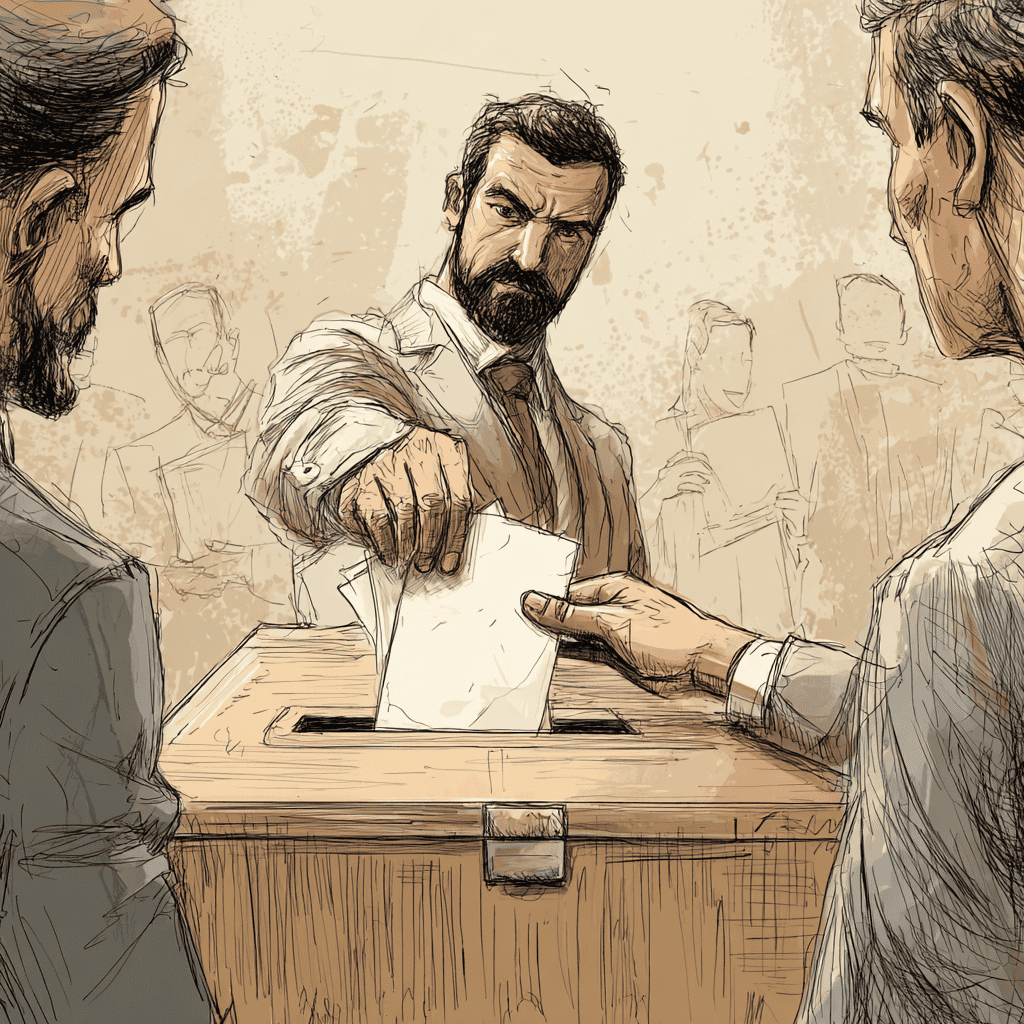
A referendum is fundamentally about citizen review of government action—it allows voters to approve or reject laws passed by legislatures. This power serves as a check on representative government, ensuring that major policy changes reflect popular will rather than just legislative preference.
The referendum process typically begins when a legislature passes a law. In states with referendum provisions, citizens have a limited window—usually 90 days—to gather signatures demanding that the law be submitted to voters. The signature requirements vary dramatically: from 2% of votes cast in the last gubernatorial election in Massachusetts to 10% in Arkansas. Some states calculate requirements based on total registered voters rather than votes cast, making the threshold even higher.
Once sufficient signatures are verified, the law is typically suspended until the election. This suspension power makes the referendum particularly potent—even the threat of a referendum can influence legislative behavior. Lawmakers may modify proposals to avoid referendum challenges or abandon controversial measures entirely.
Mandatory referendums operate differently, automatically triggering when legislatures propose constitutional amendments or certain fiscal measures. Every state except Delaware requires voter approval for constitutional amendments, making this the most common referendum type. Many states also mandate referendums for significant bond issues, tax increases, or other major fiscal decisions.
Strategic Use and Effectiveness
The strategic deployment of referendum power involves careful calculation. Opponents of legislation must quickly assess whether they can gather signatures and win at the ballot box. This requires rapid coalition building, fundraising, and message development. The compressed timeline advantages organized interests with existing infrastructure over spontaneous grassroots efforts.
Success rates for referendums vary considerably. Mandatory referendums on constitutional amendments pass roughly 75% of the time, suggesting legislatures generally propose amendments with broad support. Petition referendums—where citizens force a vote on legislative acts—have more mixed results, with success rates hovering around 40-45%.
The referendum’s deterrent effect may be its most significant impact. Legislators, knowing that controversial laws might face referendum challenges, often compromise preemptively. This shadow effect is difficult to measure but profoundly shapes legislative behavior in states with strong referendum traditions.
Economic interests dominate many referendum campaigns. Business groups use referendums to block regulations, while labor unions challenge anti-worker legislation. Environmental organizations force votes on development projects. This pattern suggests referendums serve organized interests as much as spontaneous citizen movements.
Case Studies and Landmark Referendums
Maine’s 2017 Medicaid expansion referendum illustrates modern referendum dynamics. After the legislature repeatedly rejected expansion despite public support, advocates placed it on the ballot through citizen initiative. Voters approved expansion 59-41%, overcoming legislative resistance. However, Governor Paul LePage refused implementation, demonstrating that referendum victories don’t guarantee immediate policy change.
Washington State’s carbon tax referendums show how referendums can become expensive policy battles. Initiative 1631 in 2018 attracted over $31 million in opposition spending, primarily from oil companies, making it the most expensive ballot measure in state history. Its defeat demonstrated how resource disparities can determine referendum outcomes regardless of initial public opinion.
The 2020 Massachusetts ranked-choice voting referendum revealed the complexity challenge. Despite initial polling support, the measure failed 55-45% after opponents argued it was too complicated. This highlighted how referendum success requires not just good policy but clear, simple communication to voters facing lengthy ballots.
Initiatives: Citizens as Lawmakers
The Initiative Process Explained
The initiative process represents the most proactive form of direct democracy, allowing citizens to draft and enact laws without legislative involvement. This power to initiate legislation distinguishes American direct democracy from many other democratic systems worldwide.
Twenty-four states allow some form of initiative, though the specific provisions vary enormously. The process typically begins with drafting proposed legislation or constitutional amendments. This drafting phase proves crucial—poorly written initiatives can create legal chaos even if voters approve them. Many states require or encourage consultation with legislative counsel to ensure proper legal language.
Signature gathering represents the initiative’s highest hurdle. Requirements range from 3% of votes cast in the last gubernatorial election in Massachusetts to 15% in Wyoming. Constitutional amendments typically require more signatures than statutory initiatives. Some states impose geographic distribution requirements, mandating signatures from multiple counties or congressional districts to ensure statewide support.
The timeline for signature gathering varies from 64 days in Massachusetts to unlimited time in Oregon. Shorter deadlines favor well-funded efforts that can hire professional gatherers, while longer periods enable grassroots campaigns to succeed through volunteer efforts. Some states prohibit paying per signature, attempting to preserve grassroots character.
Direct vs. Indirect Initiatives
Direct initiatives proceed straight to the ballot once qualified, bypassing the legislature entirely. This path appeals to advocates confident in public support and skeptical of legislative compromise. Direct initiatives maintain proposal integrity but sacrifice opportunities for technical improvements through legislative review.
Indirect initiatives first go to the legislature, which can enact the proposal, modify it, or reject it. If the legislature fails to act satisfactorily, the measure proceeds to the ballot. This process theoretically combines citizen input with legislative expertise, though in practice it often just delays the inevitable ballot showdown.
Some states offer both options, letting initiative sponsors choose their path. Others mandate one approach or the other. The choice between direct and indirect reflects different theories of democracy—whether citizen wisdom needs legislative refinement or whether legislatures will inevitably water down popular proposals.
Modern Initiative Campaigns
Contemporary initiative campaigns resemble candidate elections more than policy deliberations. Professional campaign consultants manage strategy, pollsters test messages, and media consultants produce advertisements. The professionalization of initiatives has raised costs dramatically—successful statewide campaigns now routinely cost millions of dollars.
Signature gathering has become an industry unto itself. Professional firms guarantee signature collection for set prices, typically $5-15 per signature depending on difficulty and timeline. While this commercialization ensures ballot access for well-funded causes, critics argue it corrupts the grassroots nature of citizen initiatives.
The role of money in initiatives generates ongoing controversy. While campaign finance limits apply to candidate elections, courts have generally struck down spending limits on ballot measures as violations of free speech. This creates situations where single donors or corporations can spend unlimited amounts supporting or opposing initiatives.
Counter-initiatives have emerged as a defensive strategy. When facing unwanted initiatives, opponents sometimes propose competing measures designed to confuse voters or provide more palatable alternatives. California’s competing initiatives on kidney dialysis regulations in 2020 exemplified this tactic, with dueling measures backed by different healthcare interests.
Landmark Initiatives That Changed America
California’s Proposition 13 (1978) remains the most influential citizen initiative in American history. By limiting property tax increases and requiring supermajorities for tax hikes, it fundamentally restructured California’s finances and sparked nationwide tax revolts. Its success demonstrated that citizens could override legislative preferences on fundamental fiscal policy.
Colorado’s Taxpayer Bill of Rights (TABOR) in 1992 went even further, requiring voter approval for all tax increases and limiting government revenue growth. TABOR’s complex formulas have constrained Colorado government for three decades, showing how initiatives can create long-lasting structural changes resistant to legislative modification.
The marijuana legalization movement has achieved its greatest successes through initiatives. After legislatures proved unwilling to act, advocates turned to direct democracy. Colorado and Washington’s 2012 initiatives legalizing recreational marijuana broke federal prohibition’s stranglehold and triggered a nationwide cascade of similar measures.
Marriage equality initiatives tell a complex story of social change through direct democracy. Initially, opponents of same-sex marriage used initiatives to ban it in dozens of states. Later, supporters used the same tool to advance marriage equality. This progression showed how initiatives can both impede and advance civil rights, depending on public opinion’s evolution.
The Recall: Direct Accountability
Understanding Recall Mechanisms
The recall represents direct democracy’s most dramatic power—the ability to remove elected officials before their terms expire. While impeachment requires official misconduct, recalls can be triggered by simple political dissatisfaction, making them democracy’s ultimate accountability mechanism.
Nineteen states allow recall of statewide officials, while many more permit local recalls. The grounds for recall vary significantly. Some states require specific reasons like misconduct or incompetence, while others allow recalls for any reason—or no reason at all. This “political recall” versus “judicial recall” distinction reflects different philosophies about democratic accountability.
The recall process typically involves two phases: qualification and election. First, proponents must gather signatures—usually requiring 15-25% of votes cast in the official’s last election. This higher threshold than initiatives or referendums reflects recalls’ disruptive nature. The signature gathering period ranges from 60 to 180 days, with shorter periods protecting officials from perpetual recall threats.
Once qualified, recall elections take various forms. Some states hold simultaneous votes on removal and replacement, while others hold separate elections. California’s approach—voting on recall while simultaneously choosing a replacement—can produce anomalous results where an official receiving 49% support loses to a replacement receiving 20%.
The Politics and Strategy of Recalls
Recall attempts far exceed successful recalls, with most failing to gather sufficient signatures or losing at the ballot. This high failure rate reflects both the difficulty of recalls and their use as political protest rather than serious removal attempts.
Timing proves crucial in recall campaigns. Launching recalls early in terms allows more time for signature gathering but may seem premature. Waiting for scandal or unpopular decisions provides better grounds but leaves less time before regular elections. The sweet spot typically falls 12-18 months into terms—enough time for grievances to develop but still worthwhile given remaining term length.
Recalls have evolved from their original anti-corruption purpose into tools of partisan warfare. Political parties now use recalls to flip control of legislative chambers or punish officials for unpopular votes. This weaponization of recalls has led some states to restrict their use or increase signature requirements.
The cost of recalls—both financial and political—generates significant controversy. Special elections cost taxpayers millions while creating governmental instability. Even failed recalls can weaken targeted officials and distract from governance. These costs lead many to view recalls as last resorts rather than routine accountability tools.
Historic Recalls and Their Impact
The 1921 recall of North Dakota Governor Lynn Frazier was the first successful gubernatorial recall, driven by opposition to his socialist-leaning Nonpartisan League agenda. This early recall demonstrated the tool’s potential for ideological battles beyond simple corruption fights.
California’s 2003 recall of Governor Gray Davis transformed recall politics. Davis’s removal despite no allegations of corruption—merely governing during an energy crisis and budget deficit—showed that unpopularity alone could trigger successful recalls. Arnold Schwarzenegger’s celebrity-powered victory demonstrated how recalls could catapult outsiders to power.
The 2011 Wisconsin recall efforts following Governor Scott Walker’s anti-union legislation became a national political battlefield. While Walker survived his 2012 recall election, several state senators were successfully recalled, demonstrating recalls’ potential for legislative as well as executive accountability.
The 2021 California recall attempt against Gavin Newsom, failing by a similar margin to his original election, illustrated recalls’ limitations. Despite $300 million spent and intense media coverage, the recall failed to overcome fundamental partisan mathematics in a blue state, suggesting recalls work best when crossing partisan lines.
State-by-State Variations
Geographic Patterns and Political Culture
The availability and use of direct democracy tools follows clear geographic and cultural patterns. Western states, with their Progressive Era heritage and libertarian streaks, embrace all three mechanisms most fully. Midwestern states show mixed adoption, often allowing initiatives but not recalls. Eastern and Southern states generally restrict or prohibit direct democracy, reflecting different political traditions.
This geographic distribution isn’t accidental. Western states, developing during the Progressive Era, incorporated direct democracy into their founding documents. Their relatively recent statehood meant less entrenched political machines to resist reform. The frontier mentality of citizen empowerment aligned with direct democracy’s philosophy.
Political culture profoundly influences how states use available tools. Oregon uses initiatives frequently but rarely attempts recalls. Arizona aggressively employs all three mechanisms. California’s initiative industrial complex produces dozens of measures each election, while neighboring Nevada sees far fewer despite similar provisions.
Urban-rural divides affect direct democracy’s operation. Urban areas, with concentrated populations and organized groups, more easily gather signatures. Rural voters, however, often determine outcomes, creating tensions between where initiatives originate and where they’re decided.
Legal Frameworks and Constitutional Limits
State constitutions establish vastly different frameworks for direct democracy. Some states impose subject matter restrictions, prohibiting initiatives on certain topics like appropriations, judiciary structure, or constitutional conventions. Others allow initiatives on any subject, leading to ballot measures on everything from nuclear power to daylight saving time.
The single-subject rule, requiring initiatives to address only one topic, aims to prevent logrolling but creates interpretation challenges. Courts must decide whether comprehensive reform packages violate single-subject requirements, often striking down complex initiatives on technicalities rather than substance.
Judicial review of initiatives varies dramatically by state. Some courts aggressively police initiatives for constitutional compliance, while others defer to voter will. This judicial activism or restraint profoundly affects initiative success rates and sponsor strategies.
Legislative alteration powers differ significantly. Some states prohibit legislatures from amending voter-approved initiatives without subsequent voter approval. Others allow legislative changes after waiting periods or with supermajorities. These rules determine whether initiative victories are permanent or merely temporary.
Modern Challenges and Digital Age Transformation
Technology’s Impact on Direct Democracy
The digital revolution has fundamentally transformed how direct democracy operates, though legal frameworks haven’t kept pace. Online signature gathering, while technologically feasible, faces legal restrictions in most states requiring physical signatures. The COVID-19 pandemic forced temporary accommodations, but permanent change remains elusive.
Social media has revolutionized campaign organizing and messaging. Grassroots campaigns can go viral overnight, building support without traditional infrastructure. However, this same speed enables rapid spread of misinformation about ballot measures, complicating voter education efforts.
Digital advertising allows unprecedented micro-targeting of voters, but also raises concerns about manipulation and dark money influence. The ability to show different messages to different voters based on data profiles challenges traditional notions of public deliberation on ballot measures.
Electronic voting on initiatives could theoretically enable more frequent direct democracy, but security concerns and digital divides prevent implementation. Estonia’s e-democracy experiments offer models, but American federalism and security challenges complicate adoption.
Money, Influence, and Democratic Integrity
The role of money in direct democracy has become increasingly controversial as spending escalates. The 2020 California initiative campaigns spent over $785 million combined, dwarfing many federal races. This spending arms race advantages wealthy interests and potentially corrupts the grassroots democratic ideal.
Out-of-state influence through national organizations and donors raises questions about local democratic control. When New York billionaires fund Montana initiatives or California unions support Oregon measures, whose democracy is it? These cross-border influences challenge traditional notions of state sovereignty.
Corporate initiatives disguised as citizen movements undermine public trust. When seemingly grassroots campaigns are actually astroturf operations funded by industries seeking regulatory relief, voters struggle to identify authentic citizen initiatives versus corporate manipulation.
Dark money flowing through 501(c)(4) organizations obscures funding sources for many campaigns. Voters may not know who’s behind initiatives until after elections, if ever. This opacity undermines informed democratic decision-making and enables stealth corporate influence.
Complexity and Voter Competence
Modern ballot measures often involve highly technical issues beyond most voters’ expertise. When initiatives address complex tax formulas, regulatory frameworks, or scientific questions, can voters make informed decisions? This competence question challenges direct democracy’s fundamental premise of citizen wisdom.
Ballot measure language, often written in legal terminology, can confuse voters. Studies show many voters don’t understand what they’re voting on, relying instead on partisan cues or endorsements. This comprehension gap between intent and understanding undermines democratic legitimacy.
The length and number of ballot measures in some states overwhelms voters. California ballots sometimes include dozens of state and local measures, each with lengthy descriptions. Voter fatigue leads to drop-off, where many voters skip ballot measures entirely, reducing democratic participation.
Information quality about ballot measures varies wildly. While voter guides provide official descriptions, most voters rely on advertising, which may mislead or manipulate. The challenge of providing accurate, accessible information about complex measures remains unsolved.
Making Direct Democracy Work Better
Reform Proposals and Innovations
Various reforms could address direct democracy’s current challenges while preserving its benefits. Deliberative polling before elections could provide voters with better information through structured discussions with experts and fellow citizens. Oregon’s Citizens’ Initiative Review offers one model, creating citizen panels that study measures and provide voter guidance.
Improving signature gathering could restore grassroots character while maintaining access. Allowing online gathering with proper verification could reduce costs and increase participation. Alternatively, providing public funding or resources for signature gathering could level playing fields between grassroots and corporate efforts.
Campaign finance reform specific to ballot measures could address spending disparities. Options include public financing, spending limits (if constitutional), or enhanced disclosure requirements. Some propose treating ballot measure campaigns like candidate campaigns for regulatory purposes.
Simplifying ballot language and presentation could improve voter comprehension. Plain language requirements, standardized formats, and visual aids could help voters understand complex measures. Some jurisdictions experiment with video voter guides or interactive online tools.
Protecting Democratic Integrity
Safeguarding direct democracy from manipulation requires multiple approaches. Enhanced disclosure requirements could reveal funding sources in real-time, not after elections. Digital ad archives could track online campaigning. Foreign influence prohibitions could prevent international interference.
Fact-checking and verification systems could combat misinformation about ballot measures. Independent commissions could review measure descriptions for accuracy. Media organizations could prioritize ballot measure coverage. Social media platforms could flag false claims about initiatives.
Strengthening judicial review while respecting voter will requires careful balance. Pre-election review could identify constitutional problems before campaigns spend millions. Post-election review should be timely but thorough. Courts need clear standards for evaluating voter-approved measures.
Protecting minority rights from majority tyranny through direct democracy remains challenging. Constitutional limits, judicial review, and supermajority requirements offer some protection, but tension between popular sovereignty and individual rights persists.
Conclusion: What Are Referendums, Initiatives, and Recalls?
Understanding referendums, initiatives, and recalls means grasping both their tremendous democratic potential and their vulnerability to manipulation. These tools of direct democracy offer citizens unprecedented power to shape laws, overturn legislative decisions, and remove wayward officials. They serve as essential safety valves when representative government fails to reflect popular will, enabling peaceful revolution through ballots rather than bullets.
The history of American direct democracy reveals both inspiring successes and cautionary failures. Citizens have used these tools to achieve reforms that legislatures wouldn’t enact—from women’s suffrage to marijuana legalization. They’ve also used them to entrench discrimination, protect special interests, and create governmental dysfunction. This mixed record reflects democracy’s fundamental tension between popular sovereignty and minority rights, between citizen wisdom and mob rule.
Contemporary challenges—money’s influence, technological disruption, increasing complexity—test direct democracy’s viability. When billion-dollar corporations can buy ballot access and victory, when social media spreads misinformation faster than truth, when ballot measures require expertise most voters lack, can direct democracy still serve its intended purpose? These challenges demand innovation and reform, not abandonment of citizen lawmaking.
For individual citizens, these tools remain powerful means of political participation beyond voting for candidates. Understanding how to use referendums, initiatives, and recalls—or defend against their misuse—is essential civic knowledge. Whether gathering signatures, campaigning for measures, or simply voting informed on ballot propositions, citizens engaging with direct democracy shape their communities’ futures directly.
The path forward requires balancing direct democracy’s promise with realistic assessment of its limitations. Not every issue suits yes-or-no votes. Not every popular position is wise or just. Not every citizen initiative reflects genuine grassroots sentiment. Recognizing these limitations while preserving direct democracy’s essential functions challenges both citizens and institutions.
Ultimately, direct democracy tools are neither inherently good nor bad—they’re as virtuous or vicious as the citizens who wield them. When used thoughtfully by informed citizens for genuine public benefit, they can achieve remarkable reforms and hold power accountable. When deployed cynically by special interests or mob passions, they can undermine representative government and individual rights. The difference lies not in the tools themselves but in how citizens choose to use them.
As American democracy faces new challenges—polarization, distrust, technological disruption—direct democracy tools offer both opportunities and dangers. They could enable citizen innovation when legislatures gridlock, or they could deepen divisions through winner-take-all votes on contentious issues. They could restore faith in self-government, or they could be captured by the same special interests corrupting representative democracy.
The future of referendums, initiatives, and recalls depends on citizens understanding and engaging with them responsibly. This means researching ballot measures thoroughly, participating in signature gathering thoughtfully, and approaching recalls soberly. It means supporting reforms that enhance rather than restrict citizen participation. Most importantly, it means recognizing that direct democracy is not a replacement for representative government but a complement—a tool to be used judiciously when representatives fail to represent.
For those seeking to understand and engage with American democracy, mastering these tools of direct participation is essential. They represent democracy at its most direct—citizens making laws, reviewing government actions, and holding officials accountable without intermediaries. This direct power carries direct responsibility: to use these tools wisely, to respect both majority rule and minority rights, and to pursue public good rather than private advantage. In understanding and exercising these powers responsibly, citizens fulfill democracy’s highest calling: governing themselves.
Additional Resources
For citizens interested in learning more about direct democracy tools in their states, the National Conference of State Legislatures (NCSL) provides comprehensive state-by-state information on initiative, referendum, and recall provisions. Ballotpedia offers detailed tracking of current and historical ballot measures, helping voters research and understand the measures they’ll face on Election Day.